The Future Landscape of Automated SEO

Internal audits play a critical role in compliance management, acting as a vital tool for companies to make sure continuous adherence to legal, regulative, and functional standards. These audits are conducted internally by a devoted team within the organization, instead of by external bodies. This area checks out the principle of internal audits, concentrating on their function, methodology, and importance in the context of compliance.
By facilitating a deeper understanding of the functional and financial procedures throughout various departments, internal audits aid senior management make notified choices that align with the company's tactical goals. Internal audits are essential for organizations to handle compliance and maintain functional stability. They assist ensure adherence to policies and internal controls, determine locations for improvement, and support strong governance.
Internal audits systematically evaluate the company's adherence to legal and regulatory requirements. By doing so, auditors recognize spaces in compliance and suggest restorative actions. This process is vital for organizations to not only fulfill compulsory guidelines but also to promote requirements that protect the company's principles and functional practices. One of the main functions of internal audits in compliance is to evaluate and enhance internal controls.
Recommendations for boosting these controls are made, promoting improved governance and control throughout the organization. Internal audits offer a feedback loop for continuous enhancement in compliance processes. Through routine audits, companies can maintain a vibrant method to compliance that adjusts to new difficulties, industry changes, and technological advancements. This continuous improvement is crucial for remaining ahead in extremely regulated industries.
Management can utilize audit findings to make educated options about where to assign resources, how to focus on efforts, and when to change strategic directions in reaction to internal or external pressures. Internal audits enhance the and of the compliance procedure. By individually assessing and reporting on compliance efforts, internal audits help preserve trust among stakeholders, consisting of regulators, financiers, and the general public.
Building Enterprise SEO Frameworks Through Cloud Tech
Internal audits are vital for keeping high requirements of governance and management. By ensuring that proper controls remain in place and operating effectively, internal audits play a crucial function in a company's compliance strategy. They not just help companies meet regulatory demands but likewise improve operational efficiency and manage risks better.
It improves effectiveness by tracking and handling policies and compliance precisely. This exposure assists in the rapid recognition of compliance spaces and assists in prompt restorative actions.
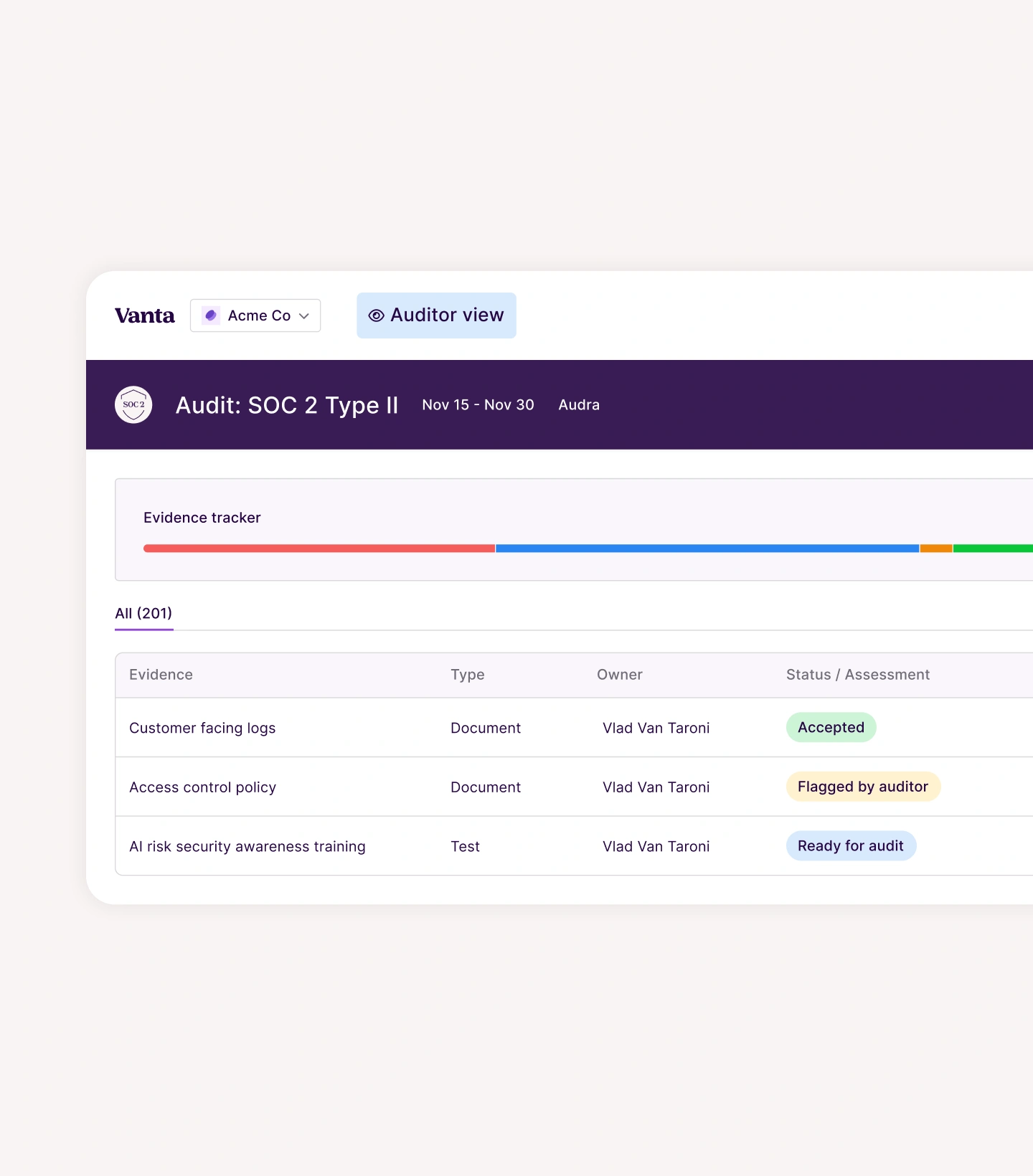
: With incorporated internal audit tools, the software simplifies the preparation, execution, and evaluation of audits. These tools help in the effective gathering of audit evidence and the generation of comprehensive audit reports.: By centralizing all compliance-related information and activities, the software application makes sure a unified approach to compliance management across different departments and places, lowering the danger of inconsistencies.
: This software application help in determining, examining, and mitigating dangers connected with non-compliance and internal audits. Proactively attending to potential concerns assists prevent problems before they occur and keeps organizational stability. Through these capabilities, compliance management software application with internal audit functions considerably improves an organization's ability to keep a robust compliance posture and mitigate dangers successfully.
Scaling Enterprise Search Technology With Cloud Systems
Before automating audits, examine your company's specific requirements, including the types of audits frequently conducted and the major compliance obstacles faced. This evaluation will assist identify which audit processes can be automated to yield the finest results.
Make sure that your audit and compliance teams are well-trained on the new tools. Comprehensive assists and guarantees that your personnel can efficiently use the software application to conduct audits. Continuously keep track of the efficiency of automated procedures and make modifications as required. and from users can help refine the automation technique to much better serve the company's developing needs.

By carrying out audit automation, companies can improve their compliance efforts and boost their general danger management abilities. This shift not just saves time and resources but likewise supplies a tactical advantage in a competitive company environment. When assessing, organizations should search for abilities that support both internal audit groups and compliance stakeholders.
Can SaaS SEO Automation Transform Manual Auditing?
Modern audits ought to focus on areas with the greatest threat exposure. The finest links audit planning with threat assessments, control efficiency, and compliance commitments.
A trustworthy should maintain a total history of actions, approvals, proof, and changes. This is essential for accountability and regulative self-confidence. Organizations usage to improve both performance and governance maturity. Secret benefits include: Better audit exposure Faster evidence collection Stronger accountability Decreased manual work Improved removal tracking More constant audit execution Better preparation for regulatory reviews Central paperwork Stronger compliance culture For compliance leaders, the value is not only in finishing audits faster.
The best do more than digitize checklists. They help groups connect audits with policies, risks, controls, problems, and regulatory requirements. Modern audit teams need tools that support: Internal control testing Compliance evaluates Risk evaluations Policy audits Third-party audits Regulatory audits Corrective action management Executive reporting This integrated technique makes audit work more tactical and less administrative.
Before picking a platform, think about these questions: Can the system support risk-based audit planning? Does it integrate with compliance and threat workflows? The finest must be simple enough for teams to utilize regularly, however powerful adequate to support complex audit and compliance requirements.
Implementing Real-Time Automated Monitoring for Enterprise Brands
Picking the ideal software application can be challenging, but it's necessary for ensuring your compliance efforts are first-class. Here's what to keep in mind. Audits are important tools for ensuring compliance and enhancing functional efficiency within companies. They can be broadly categorized into internal and external audits. The company performs internal audits to examine adherence to internal policies and regulatory compliance.
Here's a summary of the most common kinds of audits within an organization:: This audit analyzes operational processes to make sure that products or services meet predetermined quality standards. It focuses on control and management practices to preserve item integrity.: This type includes evaluating management practices, including policies, techniques, and procedures, to guarantee they align with the company's strategic goals and are carried out effectively.
technical SEO practicesThis type of audit ensures that monetary statements are reasonable and transparent, reflecting actual economic performance.: This audit concentrates on the IT infrastructure to evaluate the security, stability, and privacy of the business's systems and data. It consists of examinations of data management, cybersecurity steps, and IT system efficiency.: Evaluates the performance and efficiency of any specific department or operation within the organization.
: This checks the organization's adherence to laws, standards, and policies. Regulatory requirements usually mandate it, and it aims to guarantee control over important internal processes.: Activated by reports of suspicious or uncommon activity, this audit concentrates on specific locations or individuals to uncover the extent of a loss, identify control weaknesses, and suggest corrective actions.