Why API-Driven Search Management Transforms Workflow
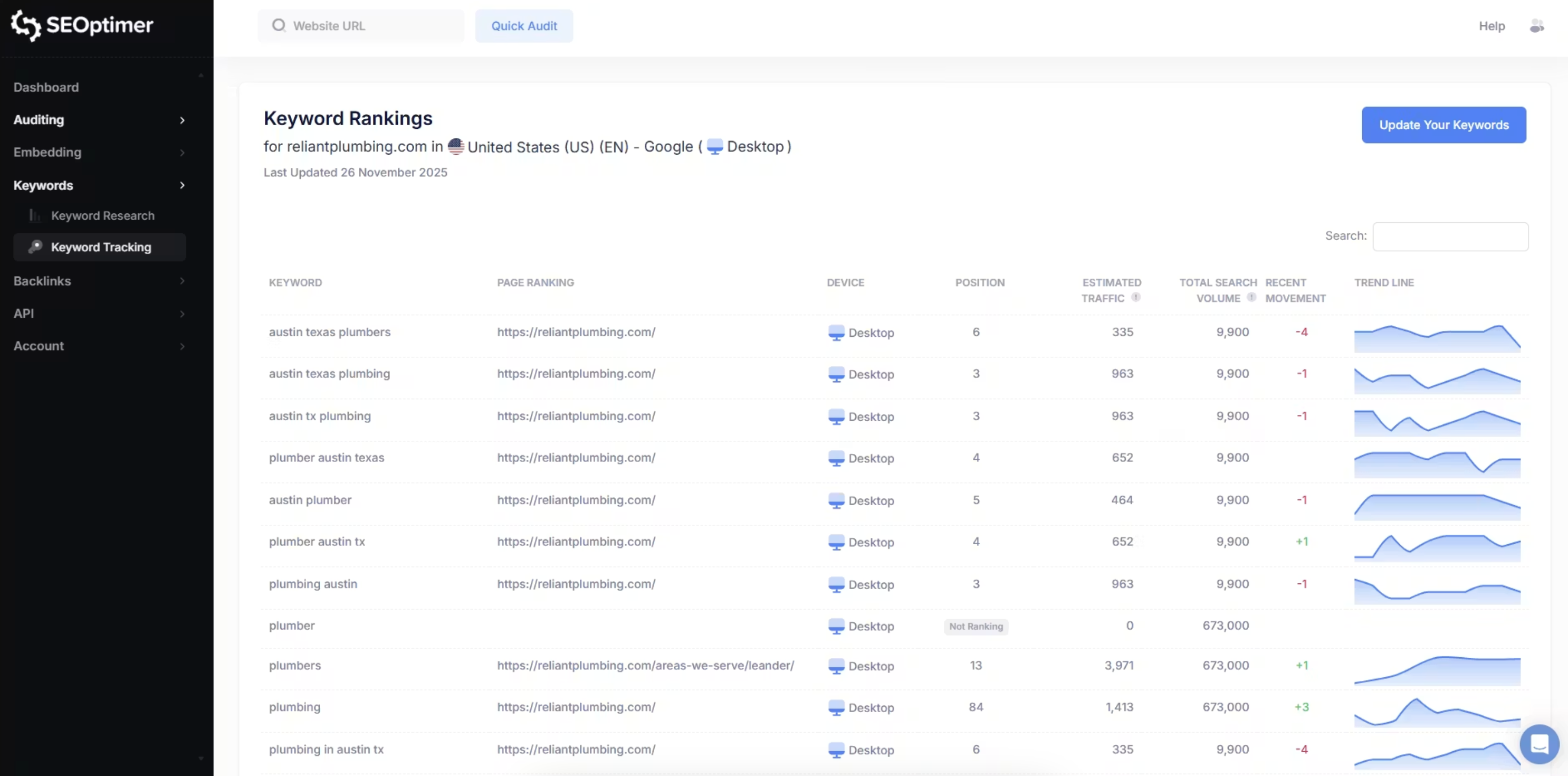
They assist automate many tasks that would otherwise need substantial resources and time. These include assisting you with high-impact keyword research, building AI material briefs, improving your composing quality and readability, and tracking SEO performance in real time. SaaS tools also streamline partnership with your teammates and clients. Consider them as your all-in-one digital tool kit for growth.
It's the foundation of any successful material strategy. You need to know what your audience is searching for, how competitive those keywords are, and which subjects provide the best opportunities for your content.
LowFruits has turned into one of my go-to keyword research study tools when I wish to discover long-tail, low-competition keywords that prominent tools tend to overlook. Unlike traditional keyword tools that focus heavily on volume alone, LowFruits likewise highlights search terms with weak SERP competition, giving you the upper hand in producing material that ranks quicker.
If you're just starting or dealing with a niche website, LowFruits offers you the sort of actionable data that helps you rank with very little domain authority. You can start with a pay-as-you-go model, making it budget-friendly for content teams and solo marketers alike. SEOBoost's are where the majority of my blog planning begins.
It supplies a comprehensive roadmap of clustered phrases, questions to address, and content spaces. I use Topic Reports when I want to produce a whole blog series or pillar-cluster content design, as it assists recognize keyword and content chances.

How API-Driven Search Management Redefines Workflow
Semrush remains among the most powerful SaaS tools for content research and competitive intelligence. I turn to it when I wish to acquire deep insights into what my rivals are doing, such as their top-ranking pages, keyword gaps, and backlink strategies. The alone is a goldmine for discovering content opportunities throughout numerous kinds of content.
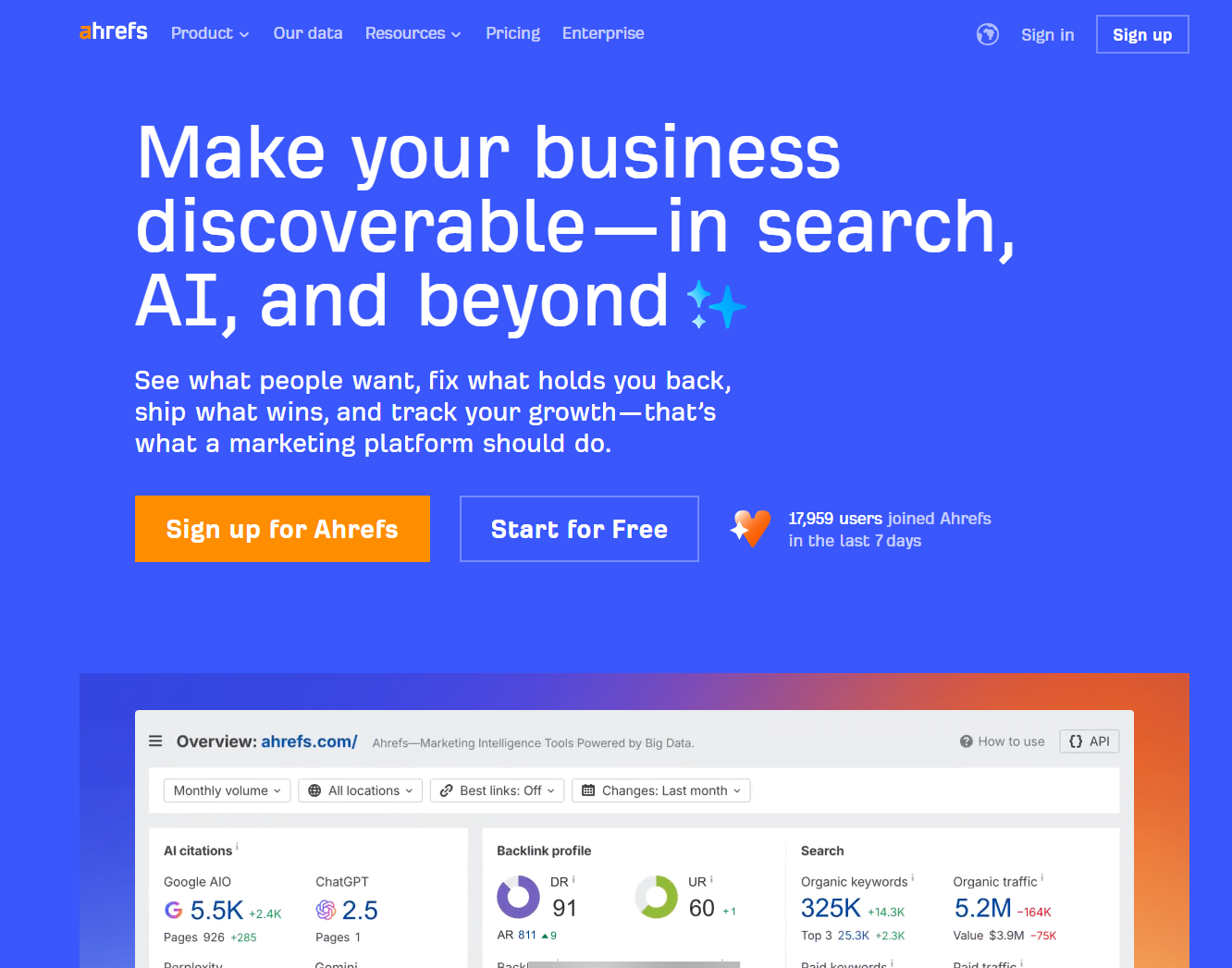
It's especially useful when I'm preparing brand-new content campaigns or require quick recognition for blog site titles. Begins at $139.95/ month for Pro strategies. Pair Semrush with SEOBoost's Topic Reports to confirm chances before composing content briefs. Ahrefs is unequaled in backlink analysis, however its keyword and content explorer tools are similarly effective.
One of my preferred workflows is checking a high-ranking short article in Ahrefs, identifying keyword variations it ranks for, and after that utilizing to develop a variation that's more appropriate and structured. Starts at $129/month. After you have actually done your keyword and topic research, the next huge hurdle is writing material that's not simply optimized, but understandable, interesting, and high quality.
I've used all 3 in my workflow to guarantee that the content I release hits the sweet spot between SEO and clarity. Grammarly is more than simply a grammar checker, if you ask me. It's a. Whether I'm drafting an article, composing social copy, or developing customer content, I constantly run it through Grammarly before striking release.
Why API-Driven Search Management Redefines Digital Efficiency
One feature I especially rely on is the. It lets me understand if my content sounds too formal, too casual, or hits the best note specifically useful when writing for different audience personalities. For SEO content, this assists maintain readability ratings that Google likes, minimizing bounce rates and enhancing user engagement.
The Hemingway Editor is my go-to tool when I wish to streamline and strengthen my content. It highlights intricate sentences, passive voice, and readability issues with color-coded ideas that are super easy to follow. When I'm working on blog site intros or web material, I drop paragraphs into Hemingway to trim the fluff and make the message sharper.
Remember, cleaner content lead to much better dwell time, which is one of Google's ranking elements. Free online version; Desktop app available for a $19.99 one-time payment. When I'm up versus tight due dates or stuck looking at a blank page, strokes in to help. This creates ideas, headings, e-mail copy, and item descriptions.
Utilizing Automated Website Software for SAAS Performance
It's not best out of the box, however it does provide you a fantastic starting point when you require inspiration or desire to A/B test messaging. For authors juggling numerous projects, it's like having a brainstorm pal readily available 24/7.
Creating premium, SEO-optimized content isn't a solo act, especially if you're part of a growing content group. Idea has actually become the main anxious system for content preparation for a lot of teams.