Optimizing High Traffic Sites for Search With Cloud
Did you understand that SEO can now be driven by APIs, opening unprecedented automation and scalability? API-driven SEO leverages to automate and improve different SEO jobs.
SEO NEO: Handle SEO efforts across multiple websites and pages efficiently.: Gain access to and examine recent information to make educated choices. Unlike conventional SEO, which often involves manual information collection and analysis, API-driven SEO emphasizes programmatic access to information and automated execution of tasks. This shift minimizes the time invested in repeated data collection while keeping the exact same level of information and control over the output.
Today's SEO landscape is increasingly complex. API-driven SEO provides an option by:: Managing large-scale SEO projects becomes more manageable.: Real-time information analysis leads to more reliable strategies.
API-driven workflows are central to programmatic, product-led, and programmable SEO strategies.: APIs allow the automated generation of landing pages and material based upon data.: APIs permit you to integrate SEO insights directly into your item development process.: APIs supply the versatility to tailor and automate every element of your SEO workflow.
In the next section, we'll check out some important APIs that are important for SEO experts looking to automate and scale their efforts. APIs resemble digital Lego bricks, permitting various software application systems to link and share details. Comprehending the fundamentals of APIs is essential for SEO experts seeking to leverage the power of automation and data.
Maximizing SEO ROI Through Integrated Automation
Think about them as digital messengers that provide demands and actions between systems. For non-technical online marketers, an API is basically a method for one piece of software to ask another piece of software for info or to perform a task.: These specify URLs where an API "lives." When you desire to access data or functionality, you send a request to a specific endpoint.

They frequently include specific specifications to filter or specify the data you need.: This is the data the API sends back after getting a request, usually in a structured format like JSON or XML.: This is the procedure of confirming your identity to guarantee you have permission to access the API.
Typical API formats include, which is extensively utilized for its simplicity and prevails for many data retrieval APIs, and, which uses more versatility in specifying information requirements, making it helpful for intricate inquiries involving several data points from a single API call. Numerous APIs are essential for SEO professionals aiming to automate and scale their efforts.
You might use this API to automate day-to-day rank tracking reports or identify underperforming questions for content optimization.: Supplies insights into the efficiency of your web pages, along with recommendations for improvement. This can be used to automatically investigate page speed across your entire website and flag pages needing attention.
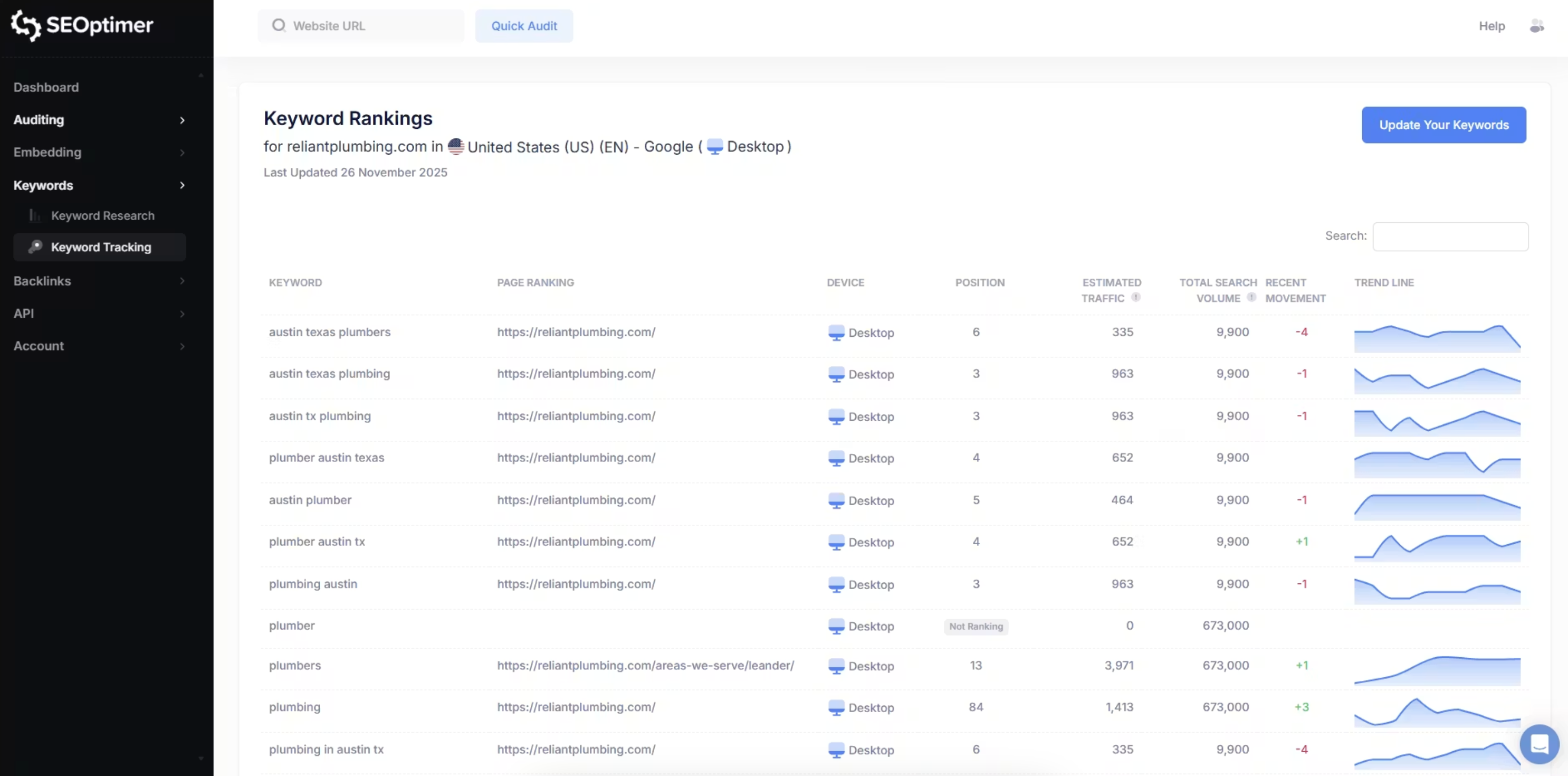
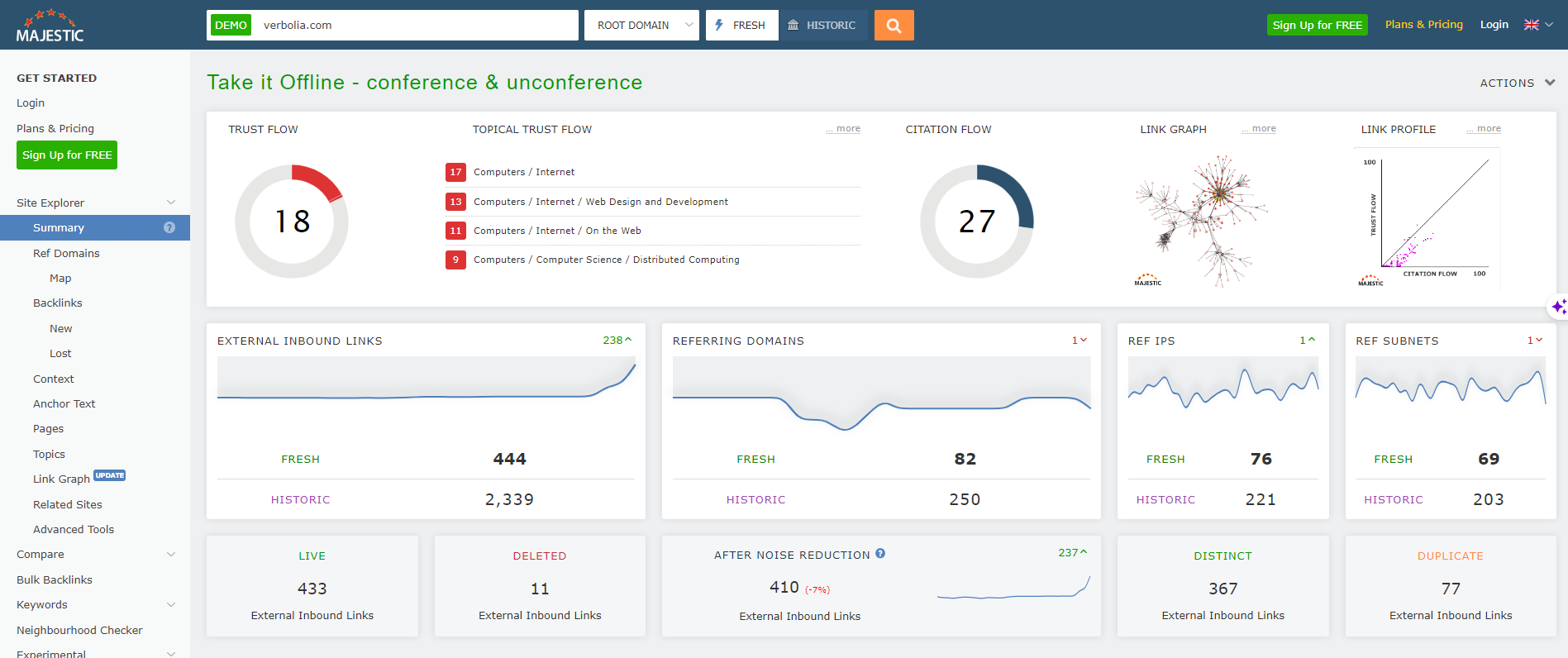
You can automate the production of weekly efficiency reports that emphasize traffic sources driving the most conversions. Third-party SEO tools likewise offer valuable APIs.: Offers data on backlinks, keyword rankings, and competitive analysis. Utilize this to develop customized control panels that track your backlink development and rival link-building strategies.: Offers insights into keyword research study, website audits, and rival analysis.
Building Modern Search Technology Via API Systems
Incorporate this information into your material management system to make sure new posts fulfill authority criteria. Do not forget social media APIs, either!
SEO NEO: Provides data on page performance, audience demographics, and engagement metrics. Accessing and utilizing APIs might seem complicated, however a number of tools and resources can assist you get started.
: Here's a basic Python example utilizing the requests library to bring information from an API: import requests response = -LRB-''-RRB- print(()): API documents provides essential details on how to utilize the API, consisting of available endpoints, required criteria, and response formats. Rate limits are limitations on the number of demands you can make within a specific period, making sure fair usage and preventing abuse.