Optimizing High Traffic Sites for Search With API
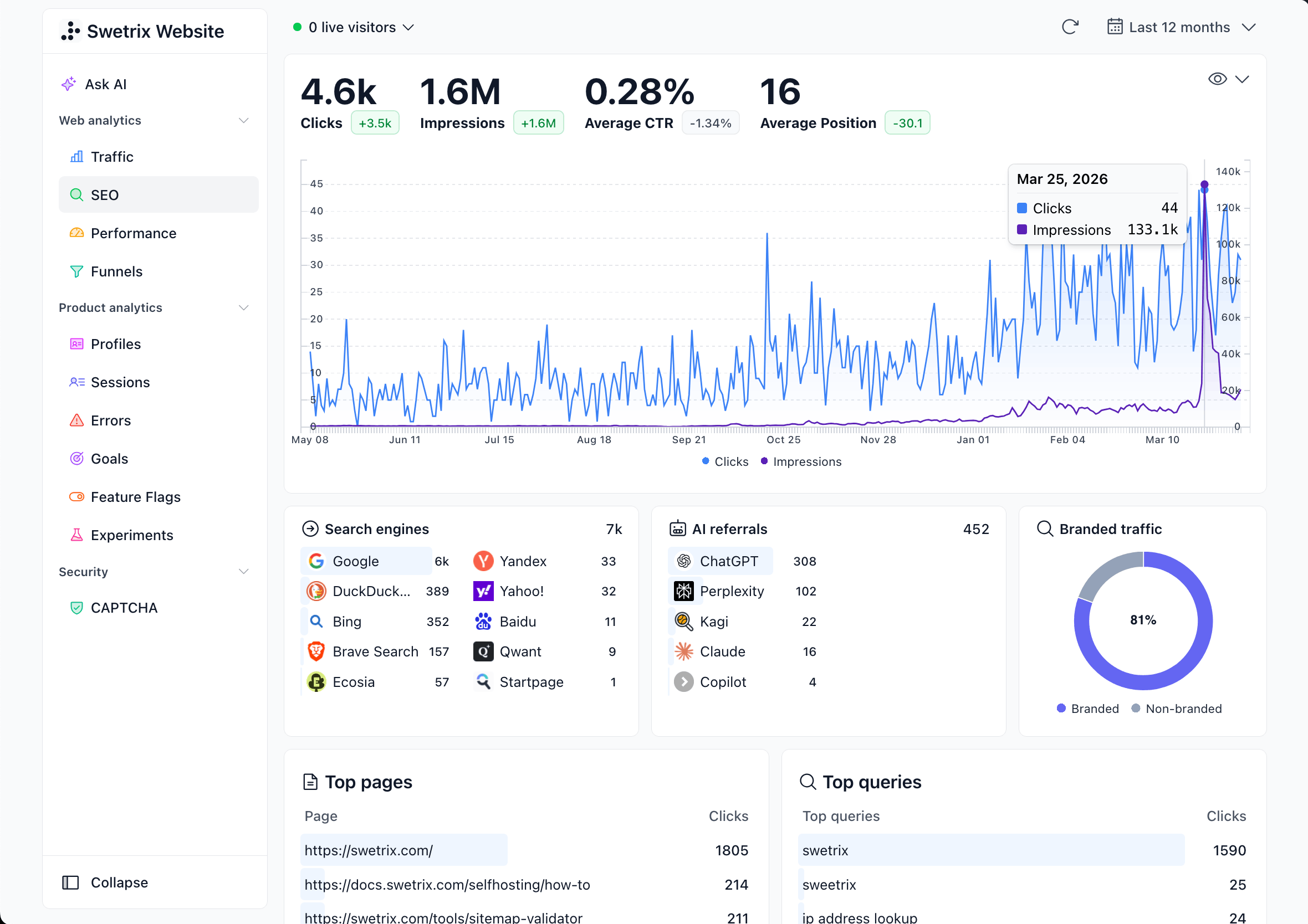
Cache frequently accessed data to minimize the number of API calls. Batch requests where possible to reduce overhead. Guaranteeing is crucial, because defective data can result in problematic SEO strategies. Verify data from multiple sources to determine disparities. Compare data from Google Browse Console API with that from Ahrefs API, for instance, to guarantee consistency.
Usage try-except blocks in your code to capture and manage API errors with dignity. Carry out data cleaning methods to eliminate or remedy inaccurate entries. Security is paramount when integrating APIs.
Follow security best practices for API integrations. Use HTTPS for all API requests to encrypt data in transit. Execute rate limiting and authentication to prevent abuse. By dealing with these challenges proactively, you can ensure your API-driven SEO workflows are effective, precise, and secure. The future of SEO is here, and it's powered by ai and APIs.
Ai is reinventing SEO by boosting automation and insights. Ai-powered APIs can produce content briefs, saving time and resources.
technical SEO practicesMaximizing SEO Efficiency Through Cloud Automation
API technology is continuously evolving, with several patterns poised to effect SEO. Serverless APIs and edge computing are enhancing API performance and scalability. GraphQL uses more versatility in defining information requirements, optimizing API effectiveness. The potential of WebAssembly (WASM) for API efficiency could lead to faster and more effective data processing.
To flourish in the future of SEO, specialists need a brand-new ability. API-driven SEO experts need a strong understanding of both SEO principles and API technologies. Embracing a culture of experimentation and innovation is essential for remaining ahead of the curve. Flexibility and a commitment to constant learning will be key to browsing the evolving SEO landscape.
The token-optimized SEO API for AI Agents. Develop self-governing workflows with stable, low-context payloads. 1309 Coffeen Opportunity STE 1200Sheridan, Wyoming 82801
It's this thing called API SEO, and truthfully, it's a technique a lot of individuals just miss out on. Essentially, API SEO is all about making your Application Configuring User Interfaces (APIs) more noticeable and, you know, rank better in search outcomes.
Scaling Enterprise Search Technology Via API Systems
Think about it as a specialized part of technical SEO, however it focuses on the special stuff about how apis work. API SEO makes sure online search engine can discover, crawl, and in fact index the material and information that your apis are dishing out. This is becoming incredibly essential since, like, apis are powering many websites and apps nowadays.
If these apis aren't enhanced, search engines may just lose out on all that great information, which completely harms your natural traffic. Without API SEO, online search engine may not be able to get to your important data effectively. Enhancing your apis implies online search engine can discover, crawl, and index the content that your apis are driving, which suggests much better visibility.
API SEO is more about making the information inside the apis visible and understandable. API SEO is a quite big deal for modern SEO.
Comparing Legacy Vs Cloud SEO Automation
Similar to regular sites, apis advantage from on-page SEO things that makes them much easier for online search engine to discover. Good on-page API SEO is everything about making your api's content clear, structured, and easy to understand. There are a few crucial things you can do to make online search engine see your apis better.
Example: Imagine an api reaction for an item. You might include something like this in your JSON: "@context": "", "@type": "Item", "name": "Incredible Gizmo", "description": "This is the coolest device ever.", "sku": "AG-12345", "offers": "@type": "Deal", "priceCurrency": "USD", "price": "99.99": This format is typically advised for structured information due to the fact that it's simple for both machines and people to check out, so online search engine can parse it well.
You do not want any inequalities that could mess up your SEO.: Good documentation assists browse engines comprehend what your api does and how it works.: Having detailed URLs for your api endpoints makes it easier for online search engine to crawl and index your api.: A sitemap particularly for your api endpoints can truly aid with discoverability by directing online search engine crawlers.