Maximizing SEO ROI Via Automated SAAS Software
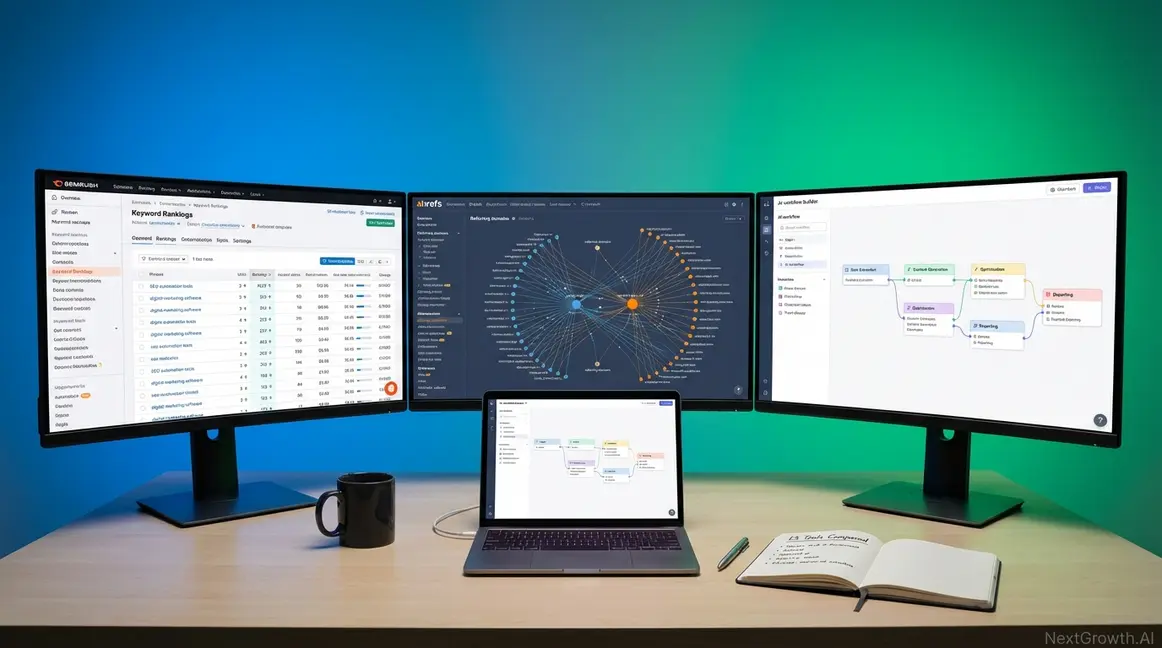
Allinone SEO SaaS platforms generally work best for: Unified workflows that keep rank tracking, content planning, and reporting in one dashboardEasier onboarding for newer teammates, with less "where do I click?" confusionFewer logins and less tool sprawl to handle day to dayCentralized reports that are easier to show clients or leadershipSpecialized tools, on the other hand, are frequently picked for: Deep analysis in one focused location, like backlinks or site crawlingAdvanced, poweruser features constructed for skilled teamsFlexibility for niche needs and odd edge casesThe alternative to swap tools as concerns alter over timeOne useful contrast we covered is here: Internet User SEO vs Ahrefs, where those differences show up pretty rapidly in genuine workflows.
The unexpected part is that even strong tools still cause friction, frequently more than suppliers admit. You normally feel it as excessive data and insufficient direction, like not understanding which pages to fix first. AI content might rank on paper but typically sounds generic, the kind that mixes together after a while.
And while reports look great, they hardly ever assist with daily decisions, like what to publish this week. Another problem that reveals up a lot is tool overload. Groups buy numerous platforms, but clear ownership, workflows, or training are missing, which is easy to comprehend. The software ends up unused, and opportunities to improve silently go by.
Mastering the New Era of Automated Search
Simple brand rules assist even more. The finest seo saas software application supports this with design templates and workflows, like a team using one shared brief instead of five dashboards. Strong SEO platforms tend to pay off when they can grow with your group.
Selecting the best SEO SaaS tools in 2026 typically comes down to balance, at least in my view. Speed and scale matter, but control and quality matter just as much, especially when rankings drop and fast repairs stop working. There are rarely genuine faster ways. Most teams do much better with platforms that mix AI with solid technical essentials, like tidy audits and clear recommendations.
For content-heavy teams, automation platforms like SEOZilla often make good sense. They're built for brand name consistency, internal linking, and multi-site publishing, which assists when you're handling three brands rather of one. SEO is still among the greatest ROI channels for SaaS, in my view. Even as AI summaries alter how search results page appearance, the primary task remains pretty steady.
The Future Landscape of Cloud-Driven Growth
Doing it well, though, is where groups start to feel real pressure. What makes SEO sustainable isn't fast hacks or smart tricks that fall apart after a couple of months.
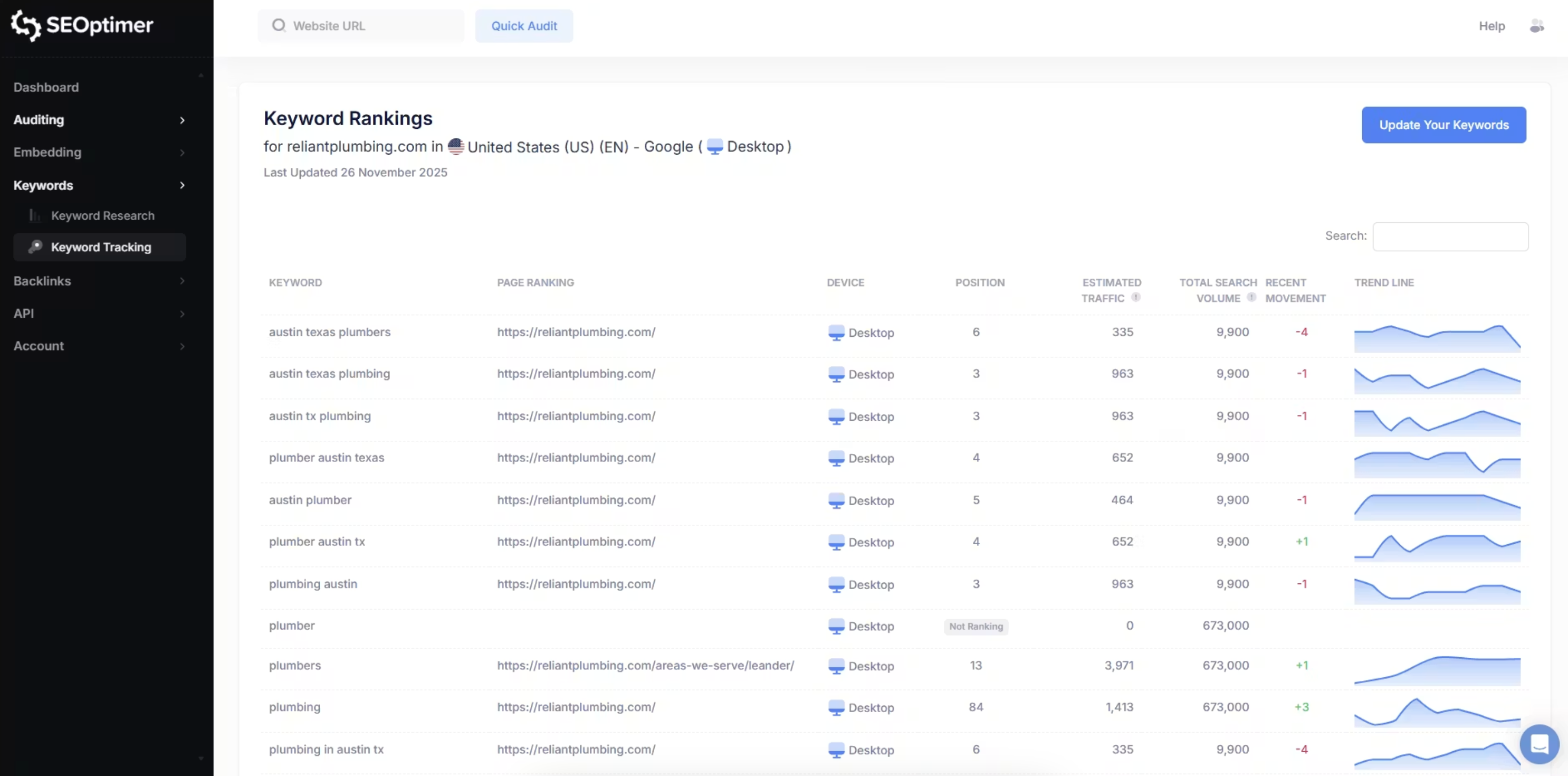
Clear results in Browse Console generally appear very first (you'll notice them), and groups typically see ROI. The best tools blend AI content aid with technical SEO automation, include ROI control panels for rankings and earnings, and support voice control plus channels like AI answers.

Early-stage teams typically begin with keyword or content tools since they're cheaper, keeping things basic while testing concepts. As content and sites grow, all-in-one SEO SaaS platforms normally begin to feel better. Many groups see little wins in about 36 months, with larger gains closer to 912 months if the work stays consistent and pages get revitalized (that part matters).
Real-Time Technical Checks for Cloud Enterprise Systems
Tools mostly assist individuals work much faster, like audits, without replacing technique, judgment, experience, or creativity. Keywords: saas seo toolsseo saas softwaresaas seo platformbest seo saas.
If you're a content strategist, SEO professional, or digital online marketer, opportunities are you have actually checked out lots of SEO SaaS tools assuring to streamline your workflow. You need tools that line up finest with your content and SEO objectives.