Leveraging Cloud SEO Software in Digital Strategy

Internal audits play a pivotal function in compliance management, functioning as a critical tool for companies to ensure continuous adherence to legal, regulative, and functional standards. These audits are conducted internally by a devoted group within the company, instead of by external bodies. This area checks out the concept of internal audits, concentrating on their function, approach, and value in the context of compliance.
By facilitating a deeper understanding of the functional and financial procedures across different departments, internal audits aid senior management make notified decisions that line up with the organization's strategic objectives. Internal audits are important for organizations to handle compliance and keep operational integrity. They help ensure adherence to regulations and internal controls, identify areas for improvement, and assistance strong governance.
Internal audits methodically assess the organization's adherence to legal and regulative requirements. One of the primary functions of internal audits in compliance is to evaluate and strengthen internal controls.

Internal audits offer a feedback loop for constant improvement in compliance procedures. Through regular audits, organizations can preserve a dynamic method to compliance that adapts to new difficulties, market modifications, and technological advancements.
Management can use audit findings to make educated choices about where to assign resources, how to prioritize initiatives, and when to change tactical instructions in reaction to internal or external pressures. Internal audits boost the and of the compliance process. By independently evaluating and reporting on compliance efforts, internal audits aid maintain trust amongst stakeholders, including regulators, financiers, and the general public.
Selecting Enterprise-Grade SEO Audit Software for Growth
Internal audits are necessary for maintaining high standards of governance and management. By making sure that appropriate controls remain in place and working effectively, internal audits play a crucial function in an organization's compliance technique. They not just assist organizations satisfy regulative needs but also enhance functional efficiency and manage threats better.
It boosts efficiency by tracking and managing policies and compliance precisely. Here are six crucial benefits of utilizing compliance management software application with internal audit capabilities:: This software application offers greater transparency and oversight of the compliance process, enabling immediate access to necessary information. This presence helps in the rapid identification of compliance spaces and facilitates timely corrective actions.
: With integrated internal audit tools, the software application simplifies the preparation, execution, and review of audits. These tools assist in the effective gathering of audit proof and the generation of in-depth audit reports.: By centralizing all compliance-related information and activities, the software guarantees a unified method to compliance management across various departments and places, minimizing the threat of inconsistencies.
Proactively addressing possible concerns assists prevent problems before they arise and keeps organizational stability. Through these abilities, compliance management software with internal audit functions substantially boosts an organization's ability to keep a robust compliance posture and reduce risks successfully.
Leveraging Cloud SEO Software in 2026
Before automating audits, examine your company's particular requirements, including the kinds of audits routinely carried out and the major compliance obstacles faced. This evaluation will assist figure out which audit processes can be automated to yield the very best outcomes. Select audit software that aligns with your organization's requirements and integrates seamlessly with existing systems.
Make sure that your audit and compliance groups are trained on the brand-new tools. Comprehensive assists and makes sure that your staff can efficiently utilize the software to carry out audits. Continuously keep track of the efficiency of automated procedures and make adjustments as required. and from users can help refine the automation method to much better serve the organization's developing needs.

By executing audit automation, organizations can improve their compliance efforts and improve their overall threat management capabilities. This shift not only conserves time and resources but also supplies a strategic advantage in a competitive organization environment. When examining, companies must search for abilities that support both internal audit teams and compliance stakeholders.
Cloud Hosting Strategies for Enterprise Portals
Modern audits should focus on locations with the biggest risk exposure. The finest connects audit planning with risk evaluations, control efficiency, and compliance obligations.
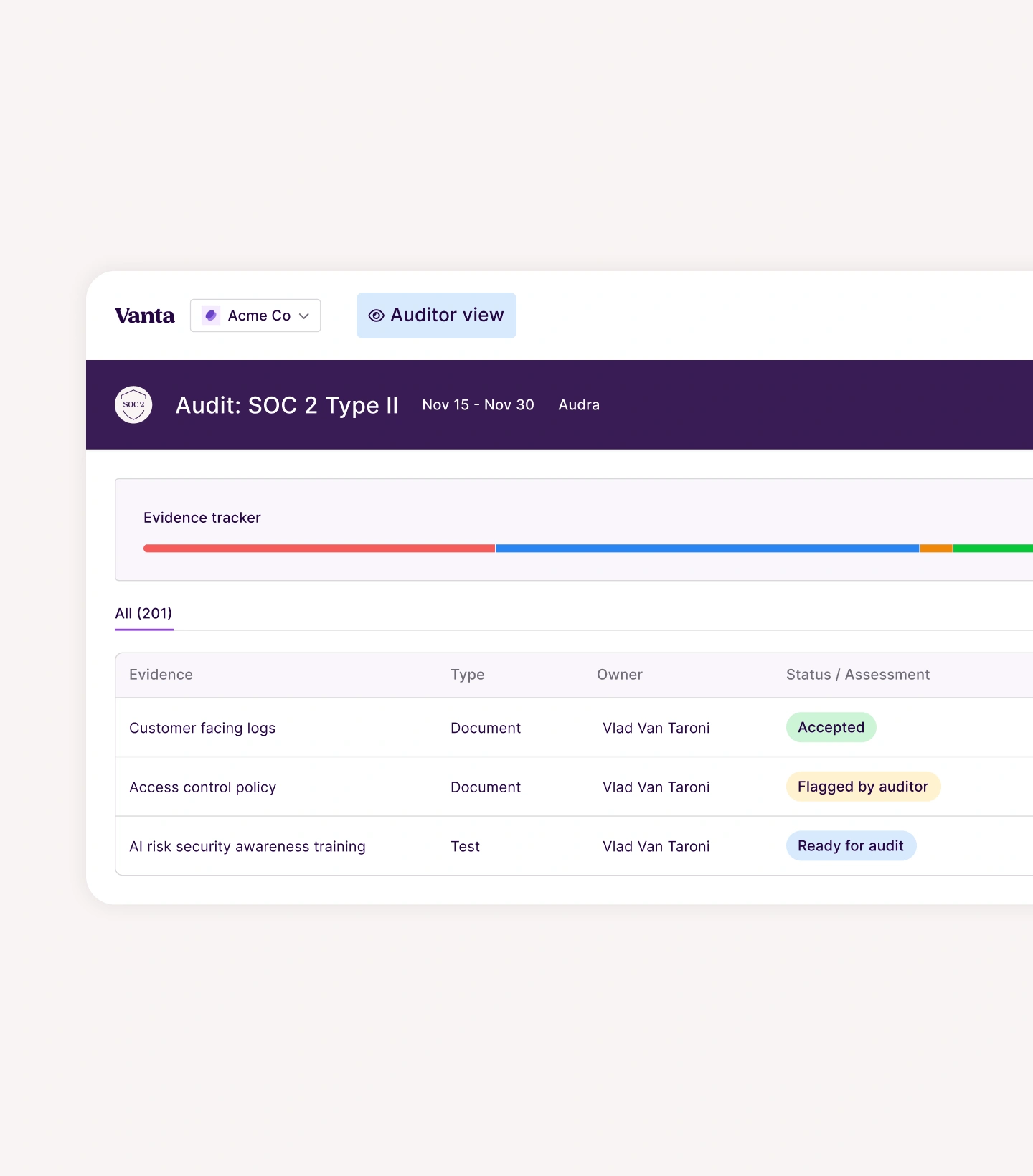
A trusted ought to preserve a total history of actions, approvals, evidence, and changes. This is important for accountability and regulatory confidence. Organizations use to enhance both effectiveness and governance maturity. Secret benefits include: Better audit exposure Faster proof collection More powerful accountability Minimized manual labor Improved removal tracking More constant audit execution Better preparation for regulatory reviews Centralized documentation Stronger compliance culture For compliance leaders, the value is not just in finishing audits much faster.
The very best do more than digitize checklists. They assist teams link audits with policies, threats, controls, problems, and regulative requirements. Modern audit groups need tools that support: Internal control screening Compliance reviews Danger assessments Policy audits Third-party audits Regulatory audits Restorative action management Executive reporting This integrated approach makes audit work more tactical and less administrative.
Before selecting a platform, consider these questions: Can the system assistance risk-based audit planning? Does it centralize proof and documentation? Can groups track findings and corrective actions? Does it integrate with compliance and threat workflows? Does it provide real-time reporting? Is it simple for business users to embrace? Can it scale across departments and places? The very best ought to be simple enough for teams to utilize frequently, but powerful enough to support complex audit and compliance requirements.
The Role of Cloud SEO Software in Digital Strategy
Picking the best software application can be complicated, however it's vital for ensuring your compliance efforts are superior. Audits are vital tools for making sure compliance and boosting functional efficiency within organizations. They can be broadly classified into internal and external audits.
Here's an introduction of the most common types of audits within an organization:: This audit examines functional procedures to guarantee that items or services satisfy fixed quality requirements. It focuses on control and management practices to keep item integrity.: This type involves reviewing management practices, consisting of policies, techniques, and procedures, to ensure they align with the company's tactical goals and are implemented efficiently.
This type of audit makes sure that financial statements are reasonable and transparent, showing actual economic performance.: This audit focuses on the IT facilities to evaluate the security, integrity, and confidentiality of the company's systems and data. It consists of assessments of data management, cybersecurity steps, and IT system efficiency.: Examines the performance and effectiveness of any specific department or operation within the company.
: This checks the company's adherence to laws, requirements, and policies. Regulatory requirements generally mandate it, and it aims to ensure control over vital internal processes.: Set off by reports of suspicious or unusual activity, this audit focuses on specific locations or individuals to discover the level of a loss, determine control weak points, and suggest corrective actions.