Implementing Real-Time Automated Monitoring for Global Brands

Internal audits play a pivotal role in compliance management, acting as a crucial tool for organizations to ensure continuous adherence to legal, regulatory, and operational standards. These audits are conducted internally by a devoted team within the company, instead of by external bodies. This section explores the principle of internal audits, concentrating on their function, methodology, and value in the context of compliance.
By facilitating a much deeper understanding of the operational and monetary procedures throughout different departments, internal audits aid senior management make notified decisions that line up with the organization's strategic objectives. Internal audits are vital for companies to handle compliance and preserve functional integrity. They assist make sure adherence to guidelines and internal controls, recognize areas for enhancement, and assistance strong governance.
Internal audits methodically assess the company's adherence to legal and regulative requirements. One of the main functions of internal audits in compliance is to check and enhance internal controls.

Internal audits provide a feedback loop for continuous improvement in compliance processes. Through regular audits, organizations can preserve a vibrant approach to compliance that adjusts to brand-new difficulties, market modifications, and technological advancements.
Leadership can use audit findings to make informed choices about where to allocate resources, how to focus on efforts, and when to adjust strategic instructions in reaction to internal or external pressures. Internal audits boost the and of the compliance process. By independently examining and reporting on compliance efforts, internal audits assistance maintain trust among stakeholders, including regulators, investors, and the public.
Comparing Legacy Vs Cloud-Native SEO Systems
Internal audits are important for preserving high standards of governance and management. By ensuring that correct controls are in location and working successfully, internal audits play a crucial role in a company's compliance technique. They not just help organizations satisfy regulatory needs however likewise enhance operational performance and manage dangers better.
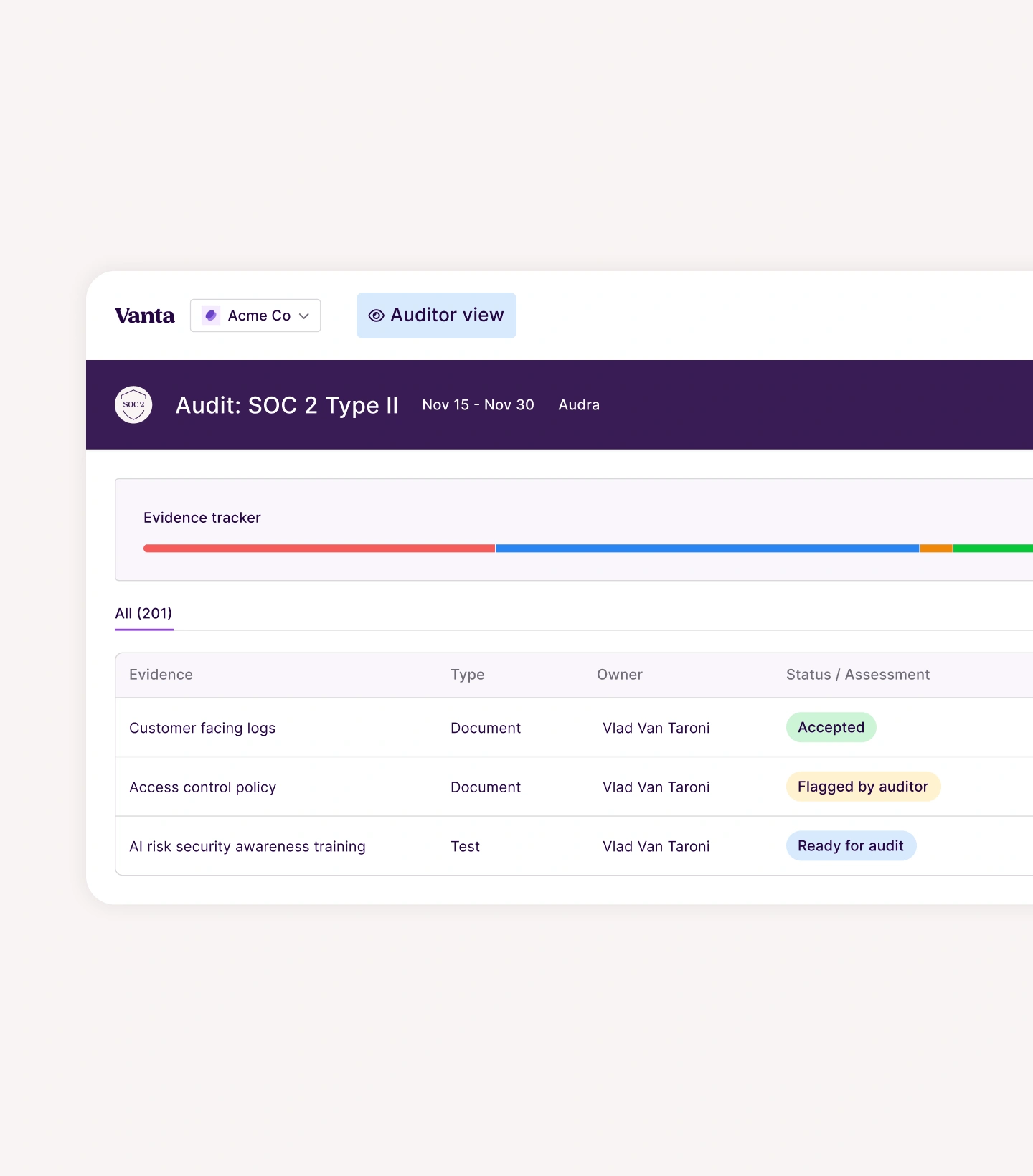
It boosts efficiency by tracking and handling policies and compliance properly. Here are 6 essential benefits of making use of compliance management software with internal audit capabilities:: This software offers greater openness and oversight of the compliance process, making it possible for immediate access to required details. This presence assists in the fast recognition of compliance gaps and facilitates timely restorative actions.
: With integrated internal audit tools, the software simplifies the preparation, execution, and evaluation of audits. These tools assist in the efficient gathering of audit proof and the generation of comprehensive audit reports.: By centralizing all compliance-related information and activities, the software ensures a unified approach to compliance management throughout various departments and areas, decreasing the threat of inconsistencies.
Proactively attending to potential problems helps prevent problems before they emerge and maintains organizational integrity. Through these abilities, compliance management software with internal audit functions substantially boosts a company's ability to preserve a robust compliance posture and mitigate dangers successfully.
Building Enterprise SEO Automation Through Cloud Tech
Before automating audits, examine your organization's specific requirements, consisting of the types of audits routinely conducted and the significant compliance challenges faced. This evaluation will assist figure out which audit processes can be automated to yield the finest results. Select audit software application that aligns with your organization's requirements and incorporates seamlessly with existing systems.
Ensure that your audit and compliance groups are trained on the new tools. Comprehensive helps and makes sure that your staff can efficiently utilize the software application to conduct audits. Constantly keep track of the performance of automated processes and make modifications as required. and from users can help improve the automation strategy to much better serve the organization's developing requirements.
By executing audit automation, companies can enhance their compliance efforts and boost their overall threat management capabilities. This shift not only saves time and resources however also supplies a tactical advantage in a competitive company environment. When evaluating, organizations ought to try to find capabilities that support both internal audit groups and compliance stakeholders.
SEO NEO cloud blogsNavigating the 2026 Evolution of Automated SEO
Modern audits need to focus on locations with the greatest threat direct exposure. The finest connects audit preparation with danger assessments, control efficiency, and compliance commitments.
A trustworthy need to keep a complete history of actions, approvals, proof, and changes. This is important for responsibility and regulative confidence. Organizations usage to enhance both efficiency and governance maturity. Key advantages include: Better audit presence Faster proof collection More powerful accountability Lowered manual work Improved remediation tracking More constant audit execution Better preparation for regulative reviews Central documentation Stronger compliance culture For compliance leaders, the value is not just in completing audits much faster.
The very best do more than digitize lists. They help groups connect audits with policies, dangers, controls, problems, and regulatory requirements. Modern audit teams require tools that support: Internal control testing Compliance reviews Risk assessments Policy audits Third-party audits Regulatory audits Corrective action management Executive reporting This integrated technique makes audit work more tactical and less administrative.
Before picking a platform, consider these concerns: Can the system assistance risk-based audit planning? Does it centralize evidence and paperwork? Can groups track findings and restorative actions? Does it integrate with compliance and threat workflows? Does it offer real-time reporting? Is it easy for organization users to embrace? Can it scale throughout departments and locations? The best should be basic enough for groups to use frequently, however powerful sufficient to support complicated audit and compliance requirements.
Maximizing Technical Performance With Cloud SEO Automation
Choosing the best software can be complicated, however it's vital for ensuring your compliance efforts are superior. Audits are necessary tools for guaranteeing compliance and improving operational performance within organizations. They can be broadly categorized into internal and external audits.
Here's an overview of the most typical kinds of audits within a company:: This audit analyzes operational processes to make sure that product and services satisfy predetermined quality requirements. It concentrates on control and management practices to keep product integrity.: This type includes reviewing management practices, consisting of policies, strategies, and procedures, to ensure they line up with the organization's strategic goals and are executed efficiently.
This type of audit ensures that financial statements are reasonable and transparent, showing actual financial performance.: This audit concentrates on the IT infrastructure to assess the security, integrity, and privacy of the company's systems and information. It includes assessments of data management, cybersecurity procedures, and IT system efficiency.: Evaluates the effectiveness and effectiveness of any specific department or operation within the company.
: This checks the company's adherence to laws, standards, and policies. Regulatory requirements typically mandate it, and it aims to make sure control over vital internal processes.: Set off by reports of suspicious or unusual activity, this audit concentrates on particular areas or individuals to discover the degree of a loss, identify control weaknesses, and advise corrective actions.