Crucial Benefits of Cloud-Native SEO Engines in 2026
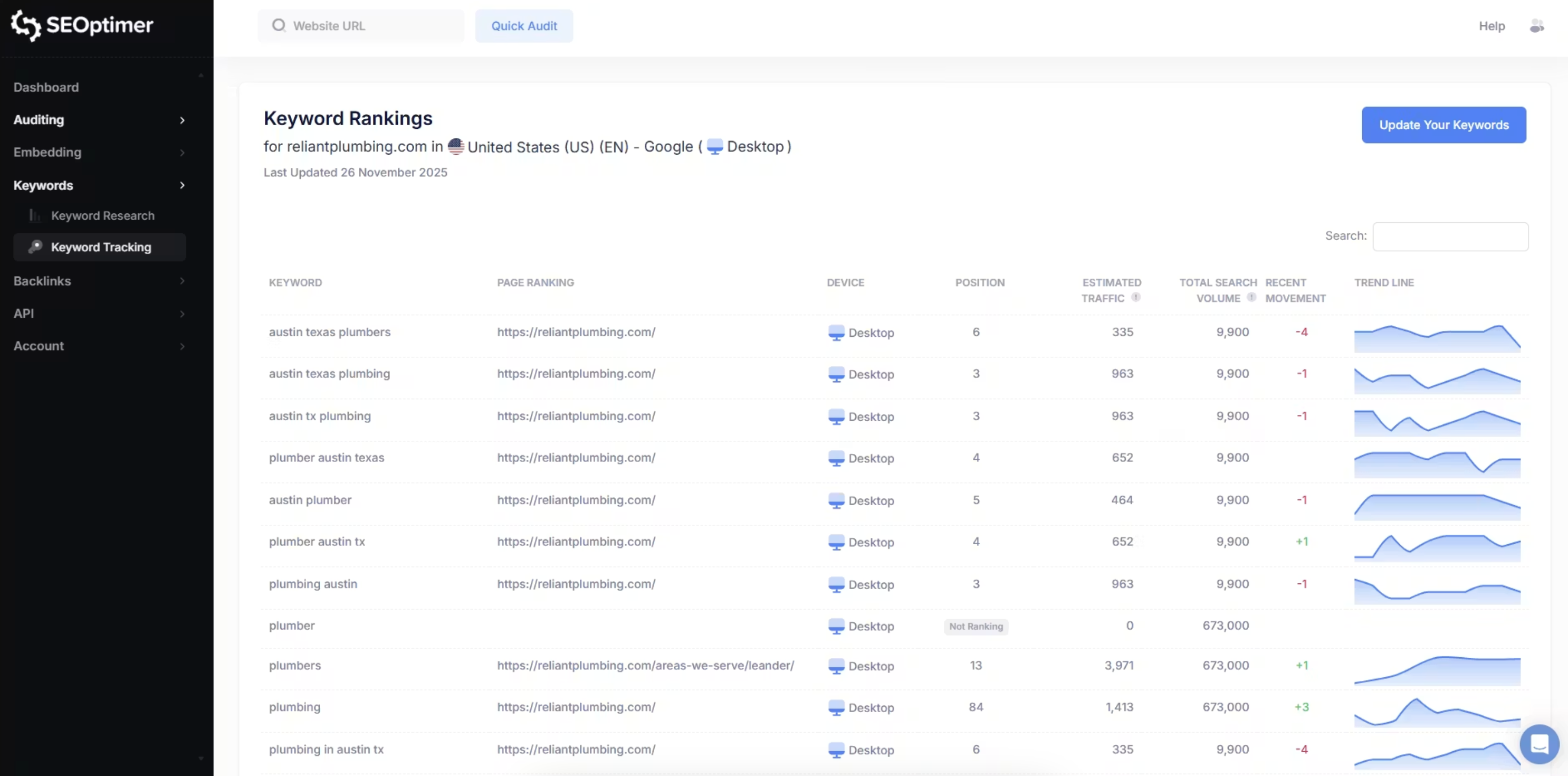
Allinone SEO SaaS platforms normally work best for: Unified workflows that keep rank tracking, content preparation, and reporting in one dashboardEasier onboarding for more recent colleagues, with less "where do I click?" confusionFewer logins and less tool sprawl to handle day to dayCentralized reports that are easier to share with customers or leadershipSpecialized tools, on the other hand, are typically chosen for: Deep analysis in one focused location, like backlinks or site crawlingAdvanced, poweruser functions built for knowledgeable teamsFlexibility for niche needs and odd edge casesThe alternative to switch tools as concerns change over timeOne useful contrast we covered is here: Surfer SEO vs Ahrefs, where those differences appear pretty quickly in real workflows.
The surprising part is that even strong tools still trigger friction, frequently more than suppliers confess. You usually feel it as too much information and not adequate instructions, like not understanding which pages to fix. AI content may rank on paper but typically sounds generic, the kind that blends together after a while.
Another problem that reveals up a lot is tool overload. Groups purchase numerous platforms, however clear ownership, workflows, or training are missing, which is easy to understand.
Is Cloud-Driven SEO Automation Essential for 2026?
Clear objectives help. Easy brand guidelines help much more. Routine evaluations assist the a lot of. The very best seo saas software supports this with templates and workflows, like a group utilizing one shared quick rather of five control panels. If you wonder about lighter choices, we covered that here: low-cost SEO tools. Strong SEO platforms tend to settle when they can grow with your team.
Selecting the best SEO SaaS tools in 2026 typically comes down to balance, at least in my view. Many groups do much better with platforms that mix AI with solid technical fundamentals, like tidy audits and clear suggestions.
For content-heavy teams, automation platforms like SEOZilla often make sense. SEO is still one of the greatest ROI channels for SaaS, in my view.
Deep-Dive Technical Checks for Cloud Enterprise Websites
Doing it well, though, is where teams begin to feel genuine pressure. What makes SEO sustainable isn't fast hacks or smart techniques that fall apart after a couple of months.
SEO NEO AI link buildingClear lead to Search Console generally appear first (you'll observe them), and teams typically see ROI. The best tools blend AI content aid with technical SEO automation, consist of ROI dashboards for rankings and earnings, and support voice control plus channels like AI answers. Normally, it's safe if you beware. I think what matters most is picking platforms that clearly explain brand name guidelines, run genuine review steps, add human checks (not just bots), and include legal reviews, there are no shortcuts.
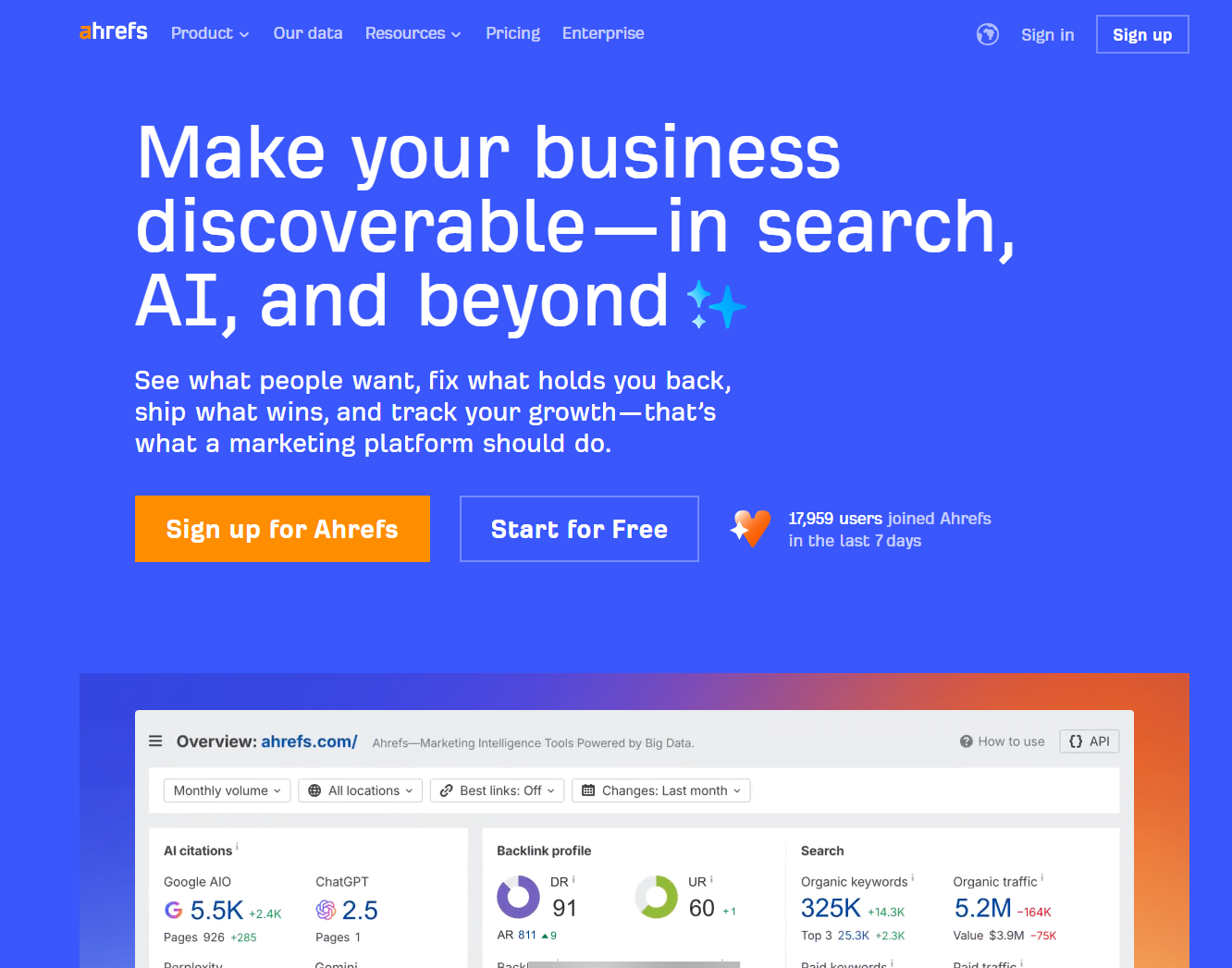
Early-stage groups frequently begin with keyword or material tools due to the fact that they're cheaper, keeping things easy while testing ideas. As material and sites grow, all-in-one SEO SaaS platforms usually start to feel better. Most groups see little wins in about 36 months, with bigger gains closer to 912 months if the work stays consistent and pages get refreshed (that part matters).
Key Benefits of Cloud-Native SEO Engines in 2026
However tools mostly assist individuals work much faster, like audits, without changing strategy, judgment, experience, or imagination. The option remains human: tools do the heavy data work, normally behind the scenes. Wish to see more articles written by SEOZilla? Our entire blog is written on auto-pilot! Keywords: saas seo toolsseo saas softwaresaas seo platformbest seo saas.
If you're a content strategist, SEO expert, or digital marketer, possibilities are you've checked out lots of SEO SaaS tools promising to simplify your workflow. You need tools that align best with your content and SEO goals.