Crucial Advantages of Cloud-Native SEO Tools in 2026
SaaS groups typically care more about trials, demonstrations, upgrades, and long-term retention than raw pageviews. Due to the fact that of that, modern-day saas seo tools typically focus on ROI instead of chasing vanity metrics that only look excellent in reports.
SEO NEO VPSHigh-performing teams don't invest much time celebrating keyword wins. Instead, they track assisted conversions, demos that begin with blog site content, and pipeline worth connected to organic search. These signals are more detailed to real cash and assistance teams stay focused on what counts. FirstPageSage research shows how strong SEO can be when it's done well.
B2B SaaS SEO reveals roughly 702% typical ROI. FirstPageSage Research Study Group, FirstPageSage through SeoProfyThat sort of return typically shows up when SEO plainly links to the funnel. Brian Dean from Backlinko has actually said that SaaS companies typically do much better when keywords map to TOFU, MOFU, BOFU, and even retention stages.
Mastering the 2026 Era of Cloud-Driven Strategy
Excellent seo saas software application supports this by tracking keyword intent and connecting pages to business objectives. Some platforms can even link signups to content clusters, making it easier to see what drives revenue and focus more there. SEO metrics mapped to SaaS funnel stagesSEO MetricWhy It MattersFunnel StageInformational keyword rankingsBuilds awarenessTOFUComparison page trafficDrives evaluationMOFUProduct page conversionsGenerates revenueBOFUIf your tools just show rankings, you're missing out on a huge part of the story.
You can also explore our Determining AI SEO ROI with Metrics and Tools That Prove Efficiency guide for more insights. AI material by itself usually will not save a website with weak basics. Technical SEO still matters a lot, typically more than SaaS teams anticipate. With complex website structures, modern-day JavaScript structures, and weekly release cycles (that continuous shipping never ever actually stops), little problems can accumulate rapidly.
Lots of SaaS websites run on React,, or custom setups that grew over time, usually for good reasons at the time. Indexing issues often appear gradually, and solid material doesn't always get a fair opportunity to rank.
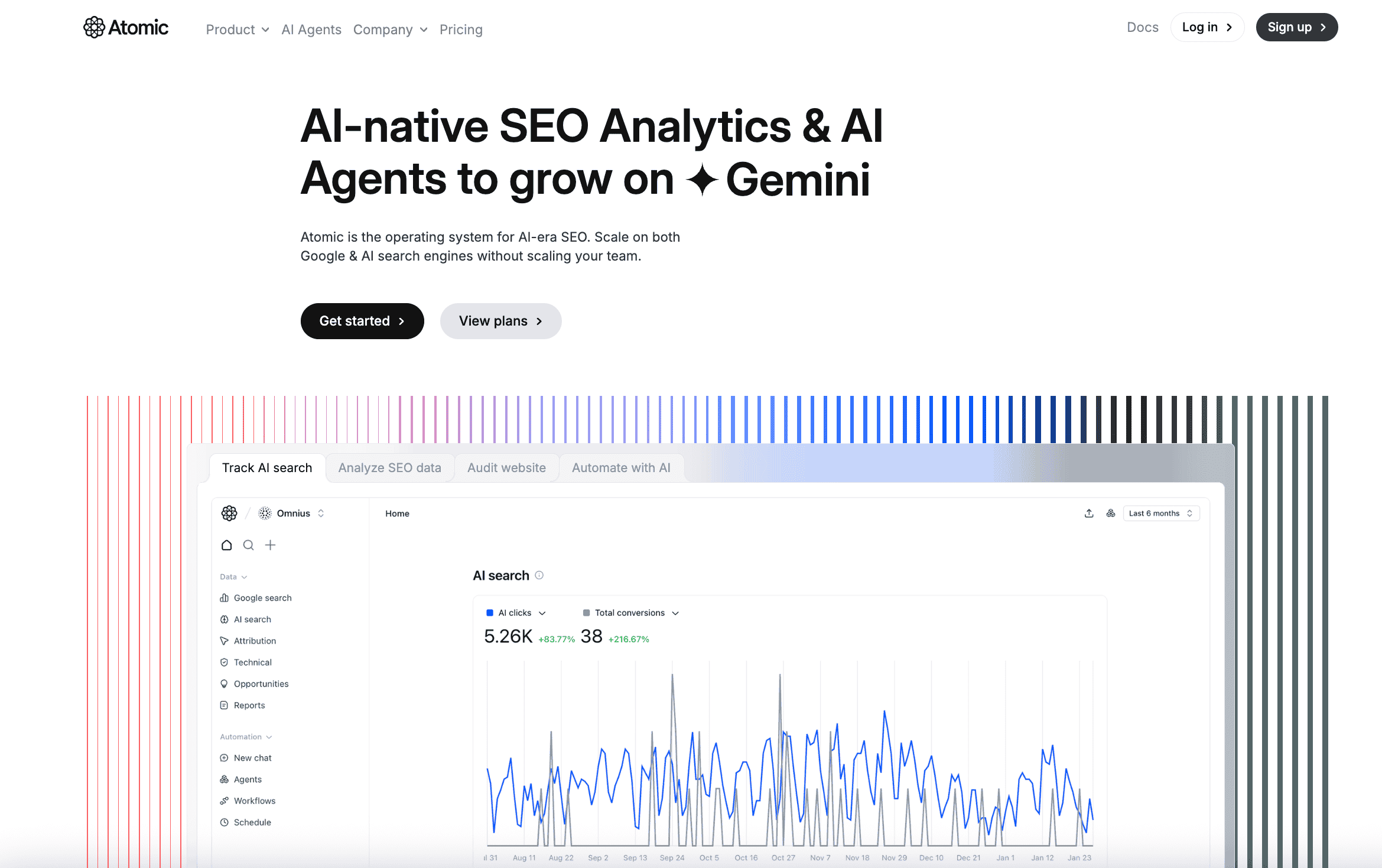
According to Aleyda Solis, SaaS teams get real worth from automated audits and monitoring since manual checks don't scale well. I agree with her here. Crawlers, log analyzers, efficiency screens, and alert systems deal with many of the unexciting work, but they're trustworthy. Secret technical functions to try to find consist of: Automated website auditsIndexation and crawl spending plan insightsPage speed and Core Web Vitals trackingStructured data checksTeams frequently blend traditional tools with newer platforms.
A saas seo platform, on the other hand, usually manages ongoing repairs, notifies, and cross-team coordination, so changes do not slip by undetected. This is where a great deal of groups encounter problem. Speed is the goal, normally needed yesterday, but the fret about flat, generic AI copy is real (everyone has seen that samey feel).
How to Integrate Cloud Search With Enterprise Platforms
I believe this shift matters even more as groups publish weekly or day-to-day and the pressure develops fast. When content feels rushed or uneven, trustworthiness can slip even if rankings go up, which is aggravating.
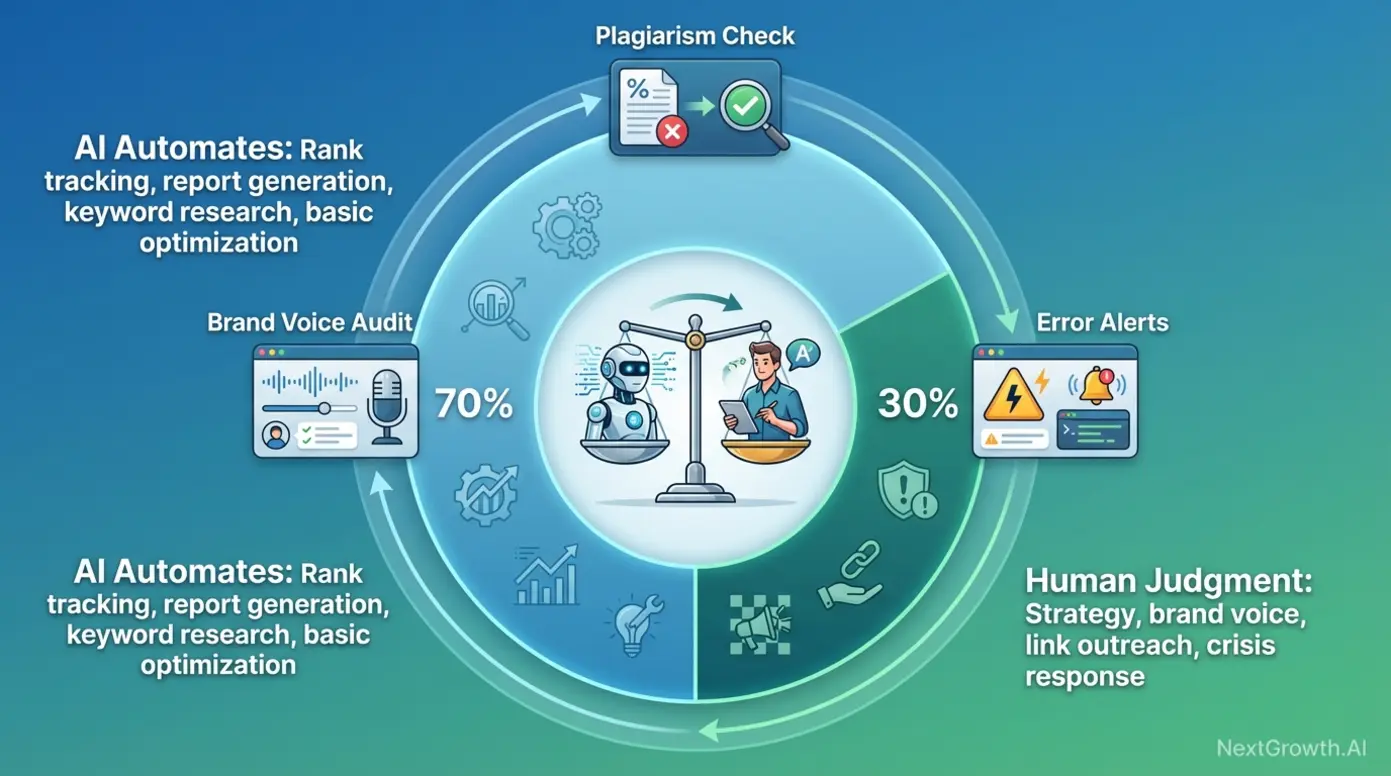
That's how groups scale blog sites, landing pages, emails, and assist docs while still sounding human and easy to read. Content automation now covers: Topic research and keyword-based clusteringAI preparing, frequently from structured outlinesAutomated internal connecting, consisting of older high-value pagesDirect publishing to CMS platforms like WordPress and WebflowThe workflow runs from idea to publish.
Browse is altering once again, and this time users see it immediately. Google AI Overviews, ChatGPT, Perplexity, and Copilot now shape how individuals discover SaaS tools, which you have actually probably discovered in daily searches. This shift has actually pushed Generative Engine Optimization (GEO) into the spotlight, and for many groups it seems like a larger change than a number of previous SEO updates combined.
They're attempting to be pointed out, summed up, or recommended by AI systems, and those systems follow various rules. Clear page structure, real subject know-how, strong entity signals, and consistent format throughout blog sites, docs, and landing pages matter more here, specifically when designs scan content rapidly. Modern seo saas software application shows this shift.
Others help LLMs read content much better utilizing schema, Frequently asked questions, and short summaries that designs often pull from. According to Search Impact, to maintain, which discusses why the pressure feels high today. A lot of growing SaaS teams wind up mixing tools, which frequently works better than requiring everything into one system.