Comparing Standard Vs SaaS SEO Automation

Did you understand that off-page SEO can truly enhance your api's discoverability? They indicate to browse engines that your api is an important resource.
For instance, if you have an api for monetary information, try reaching out to fund blogs and industry websites.: When designers utilize your api in their apps, motivate them to link back to your documentation. It's kinda like how scholastic documents mention their sources.: Get included in industry online forums and conversations to construct awareness for your api.
Submitting your api to pertinent directory sites and marketplaces can make it more visible. It's like listing your app on an app store.: Ensure your api listing has a clear description of what it does and why it's important. Much like a great item description, this assists potential users understand what your api offers.
This feedback loop can be extremely helpful for improving your api and its documentation.: Consider how SEO data can improve your api's efficiency. DataForSEO has a lot of apis for SEO and digital marketing information, which we touched on in the past. Social media isn't simply for customer products; it's likewise a terrific method to promote apis and get in touch with developers.
How to Utilize API Driven SEO for Maximum
Use appropriate hashtags to get more eyes on it.: Connect with developers and users to build a community around your api. Answer concerns, provide support, and cultivate a sense of teamwork.: Share case studies and testimonials from designers who've effectively integrated your api. This social evidence can be actually convincing.
Next, we'll discuss how to monitor your api's performance utilizing tools like Google Search Console. Did you know you can utilize apis to automate and enhance your SEO efforts? It's called, and it can conserve you time and make your api carry out much better. Programmable SEO means using apis to automate tasks like keyword research study, rank tracking, and competitive analysis.

Examining what rivals are doing gets easier too, assisting you change and enhance your own SEO. Integrating SEO tools into your api advancement procedure is a huge part of programmable SEO.
Why Cloud Infrastructure Is Essential for Enterprise SEO
You can automate the production of api sitemaps. You can also automatically produce structured information markup. This makes certain online search engine can easily crawl and comprehend your api's content. Content generation apis can create SEO-optimized content at scale. These tools automatically whip up item descriptions, article, and other content.
A news company may utilize an api to generate summaries of short articles. By making certain this material is great quality and pertinent, you can improve your api's online search engine visibility. By automating these jobs, you can focus on tactical SEO moves and make your api perform better general. Next, we'll discuss how to monitor your api's efficiency using tools like Google Search Console.
DataForSEO offers a bunch of apis for getting SEO and digital marketing information, which we pointed out earlier. These apis cover a lot of ground, including keyword research, rank tracking, and backlink analysis.
Finding the Best SaaS SEO Optimization Platform
Moz API gives you access to basic metrics like and. This is essential for figuring out the authority and reliability of domains connecting to your api paperwork. The api provides lots of link information for analyzing backlinks and finding link-building possibilities. It includes stuff like and for full SEO insights.
Yoast SEO has a REST API for getting SEO metadata for any URL on a WordPress website. This is particularly useful for setups. It lets you manage SEO things programmatically. The api returns SEO data in both HTML and JSON formats. This can be indispensable for making sure your api documentation and related content are appropriately enhanced for online search engine.
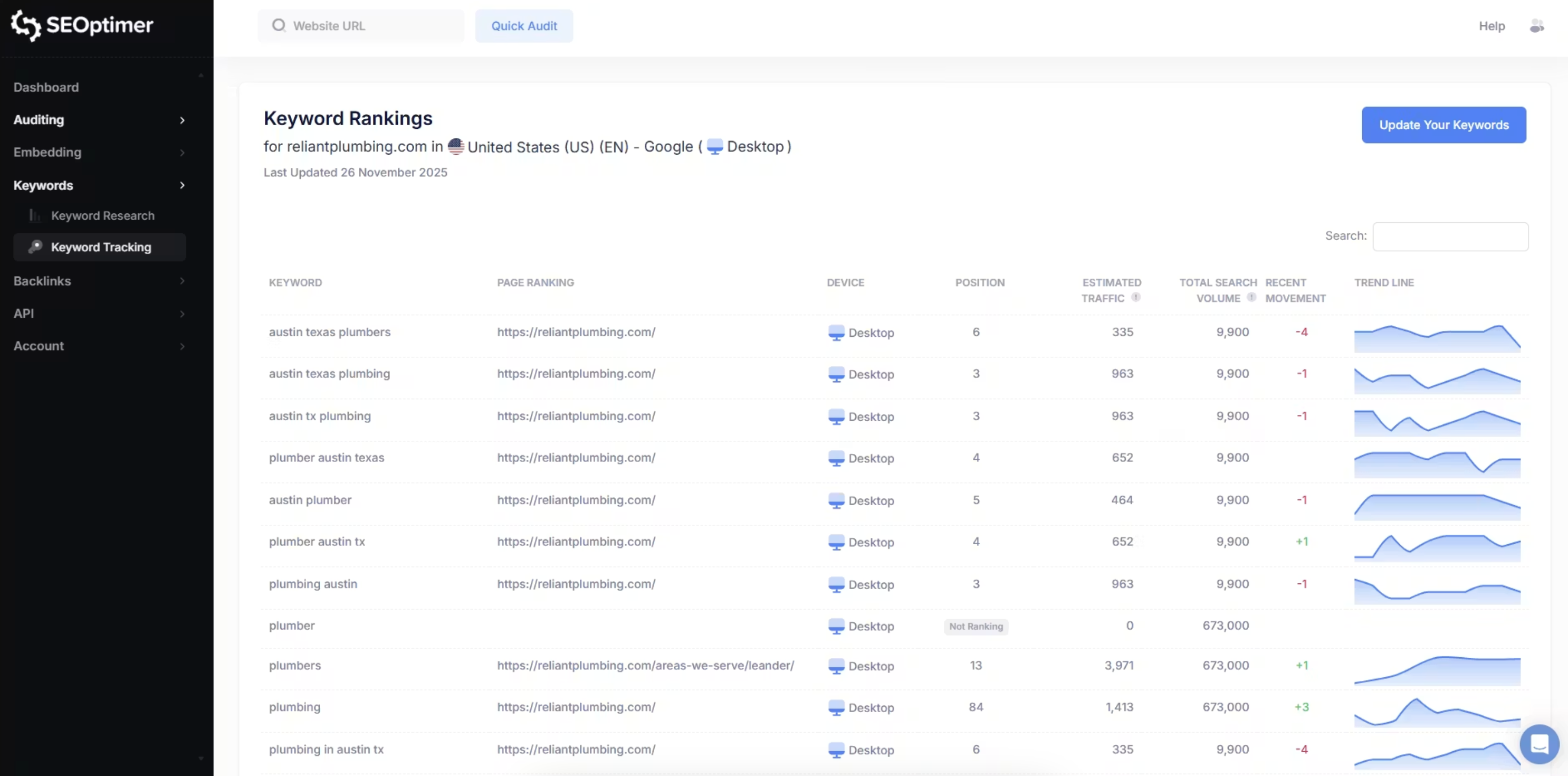
Next, we'll discuss how to monitor your api's efficiency using tools like Google Browse Console. Is your API SEO technique in fact working? It's inadequate to simply do API SEOyou also got ta procedure and monitor how it's doing to make certain you're getting the results you desire. in search results for appropriate keywords.
For example, a realty platform may track rankings for "api for residential or commercial property listings" to see if their api documents is ranking well. Track just how much traffic your api endpoints get from online search engine. Take a look at user engagement stuff, like bounce rate and time on page, to see if your api content is excellent quality.
: Regularly take a look at your server logs to see how online search engine spiders are engaging with your api endpoints.: Usage tools like Google Browse Console to find and repair any crawl mistakes that may be stopping online search engine from indexing your api content. Imagine a retail business that supplies an api for item info.

Strategic Benefits of SaaS SEO Automation in 2026
By constantly measuring and monitoring API SEO performance, you can fine-tune your strategies. Next, we'll look at how to use Google Browse Console to improve your api's presence. Did you know that smart api management can actually enhance your SEO? Advanced API SEO techniques concentrate on fine-tuning technical aspects to make online search engine visibility and user experience much better.
Use reroutes to send users and crawlers from older versions to the existing one. Inform designers about api variation changes through comprehensive release notes and documents.
Strong are important to safeguard your apis from dangers. However, you got ta ensure these procedures do not get in the way of online search engine spiders. Usage basic authentication methods like or, but make certain crawlers can get to public endpoints without needing to validate. Execute to stop abuse, however allow online search engine sufficient access to crawl your api effectively.
SEO NEO AI link buildingWith Google focusing on, optimizing your apis for mobile gadgets is essential. This makes sure your api content is available and performs well on smaller sized screens. Usage principles to make sure api documents and associated web pages work well on mobile. Optimize api actions for mobile devices by making payload sizes smaller to improve filling times.
Strategic Tips for Scaling Enterprise Sites
By utilizing these sophisticated strategies, you can get the most out of your api's SEO potential and drive more natural traffic. Next, we'll take a look at how to utilize Google Search Console to enhance your api's presence. Is your cybersecurity marketing stuck in the past? GrackerAI can completely alter your method by automating content creation and list building, saving you valuable time and resources.