Comparing Automated SEO Solutions Vs Legacy Systems
SaaS teams usually care more about trials, demos, upgrades, and long-term retention than raw pageviews. Because of that, contemporary saas seo tools typically focus on ROI rather of going after vanity metrics that just look excellent in reports.
SEO NEO global SEORather, they track assisted conversions, demos that start from blog material, and pipeline worth connected to natural search. FirstPageSage research reveals how strong SEO can be when it's done well.
B2B SaaS SEO reveals around 702% average ROI. That kind of return normally reveals up when SEO clearly links to the funnel.
Real-Time Automated Audits for Cloud SAAS Systems
Great seo saas software supports this by tracking keyword intent and connecting pages to company goals. Some platforms can even link signups to content clusters, making it much easier to see what drives earnings and focus more there. SEO metrics mapped to SaaS funnel stagesSEO MetricWhy It MattersFunnel StageInformational keyword rankingsBuilds awarenessTOFUComparison page trafficDrives evaluationMOFUProduct page conversionsGenerates revenueBOFUIf your tools only reveal rankings, you're missing out on a huge part of the story.
You can also explore our Measuring AI SEO ROI with Metrics and Tools That Show Efficiency guide for more insights. AI content by itself usually won't rescue a website with weak essentials. Technical SEO still matters a lot, frequently more than SaaS groups anticipate. With complex site structures, modern-day JavaScript structures, and weekly release cycles (that consistent shipping never truly stops), small problems can accumulate quickly.
And as soon as they do, repairing them is seldom fast. Numerous SaaS websites run on React,, or custom-made setups that grew over time, usually for great reasons at the time. However when rendering breaks or crawl rules get untidy, even strong pages can quietly drop out of Google's index. Indexing problems frequently appear gradually, and solid content doesn't constantly get a reasonable chance to rank.
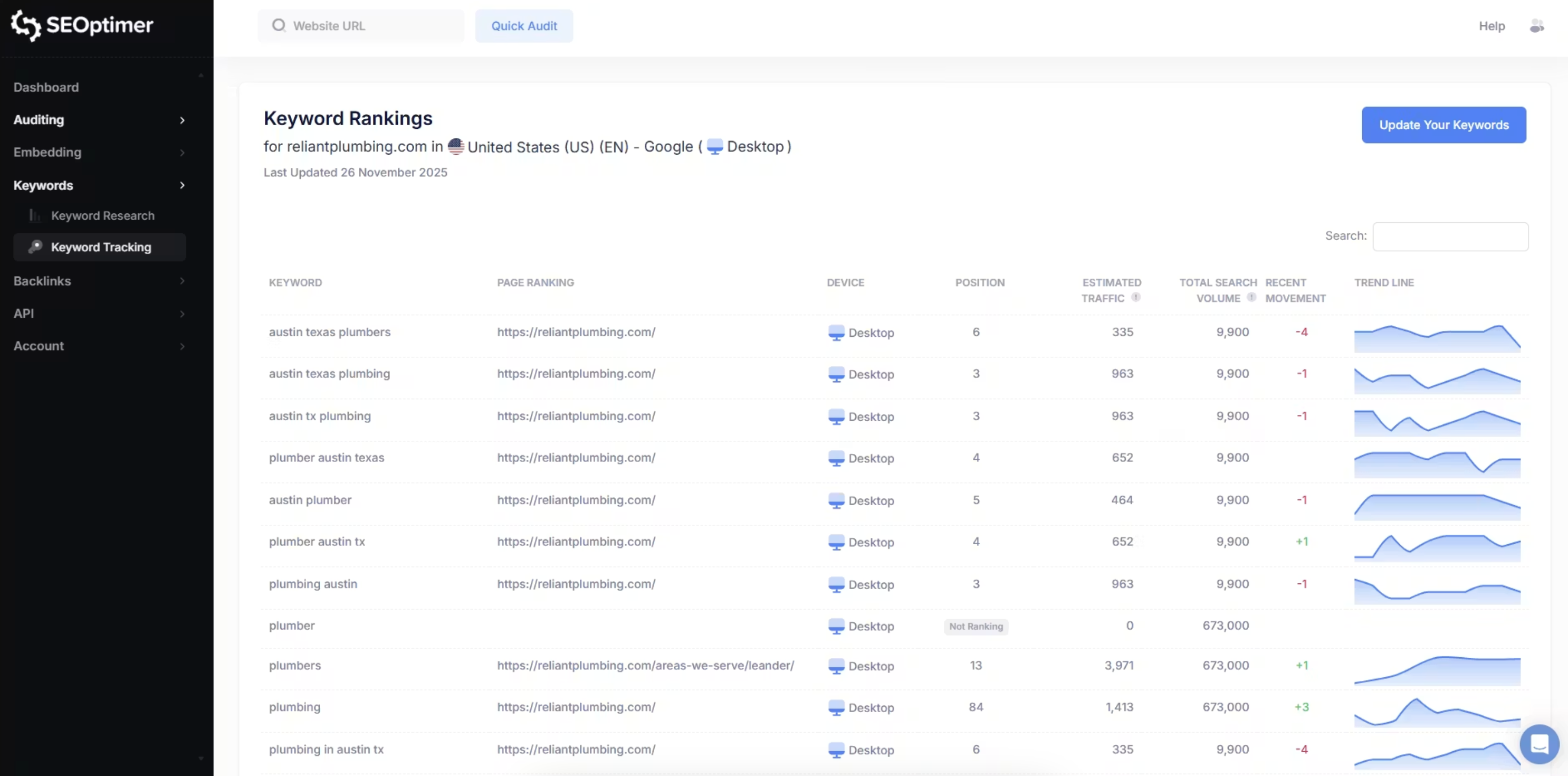
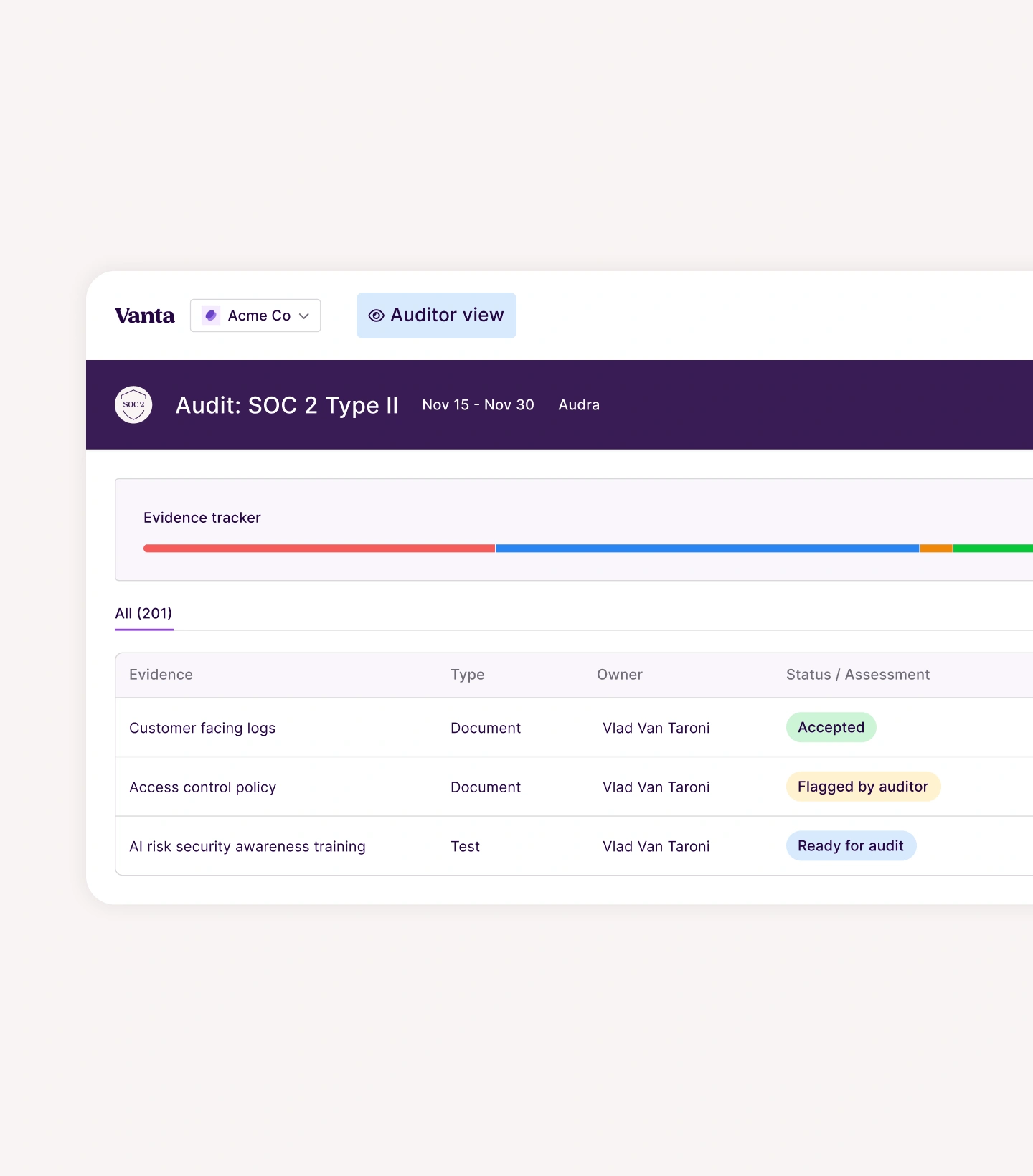
According to Aleyda Solis, SaaS teams get genuine value from automated audits and tracking given that manual checks don't scale well. I agree with her here. Crawlers, log analyzers, performance displays, and alert systems manage the majority of the unexciting work, however they're reputable. Secret technical features to search for consist of: Automated website auditsIndexation and crawl budget plan insightsPage speed and Core Web Vitals trackingStructured data checksTeams frequently mix classic tools with more recent platforms.
SEO NEO global SEOA saas seo platform, on the other hand, normally deals with continuous fixes, signals, and cross-team coordination, so modifications do not slip by unnoticed. This is where a great deal of groups encounter problem. Speed is the goal, typically required yesterday, but the fret about flat, generic AI copy is real (everyone has actually seen that samey feel).

Why API-Driven SEO Management Redefines Digital Efficiency
I think this shift matters even more as teams release weekly or everyday and the pressure constructs quick. When content feels hurried or irregular, credibility can slip even if rankings go up, which is aggravating.
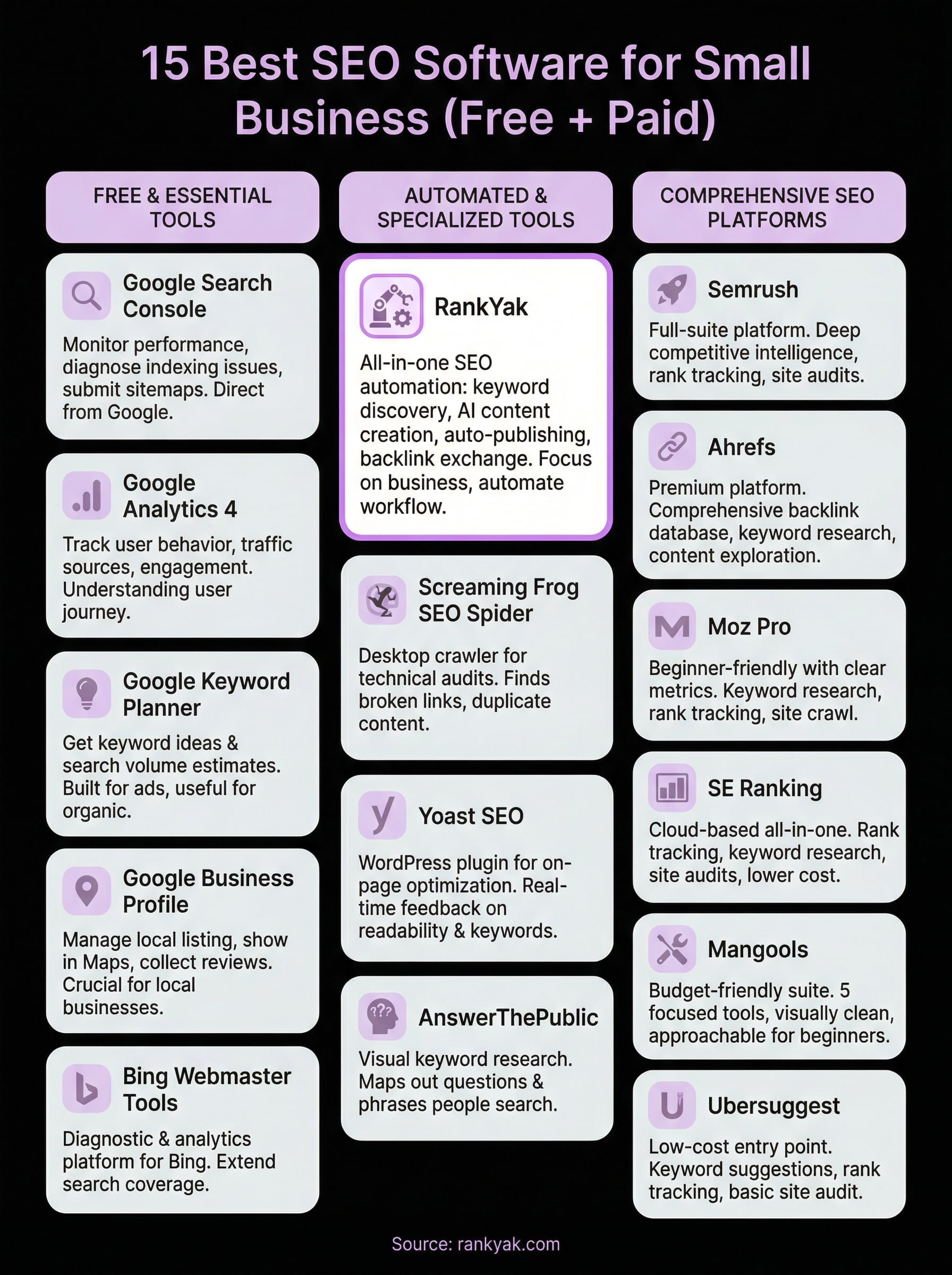
Platforms like SEOZilla set clear guardrails around tone, terms, authorized phrases, and product context. The AI works within those limitations. That's how teams scale blog sites, landing pages, emails, and assist docs while still sounding human and easy to read. Content automation now covers: Topic research and keyword-based clusteringAI preparing, frequently from structured outlinesAutomated internal connecting, consisting of older high-value pagesDirect publishing to CMS platforms like WordPress and WebflowThe workflow ranges from idea to publish.
Browse is changing again, and this time users see it immediately. Google AI Overviews, ChatGPT, Perplexity, and Copilot now form how individuals find SaaS tools, which you've most likely noticed in everyday searches. This shift has actually pressed Generative Engine Optimization (GEO) into the spotlight, and for lots of groups it seems like a larger modification than several previous SEO updates integrated.
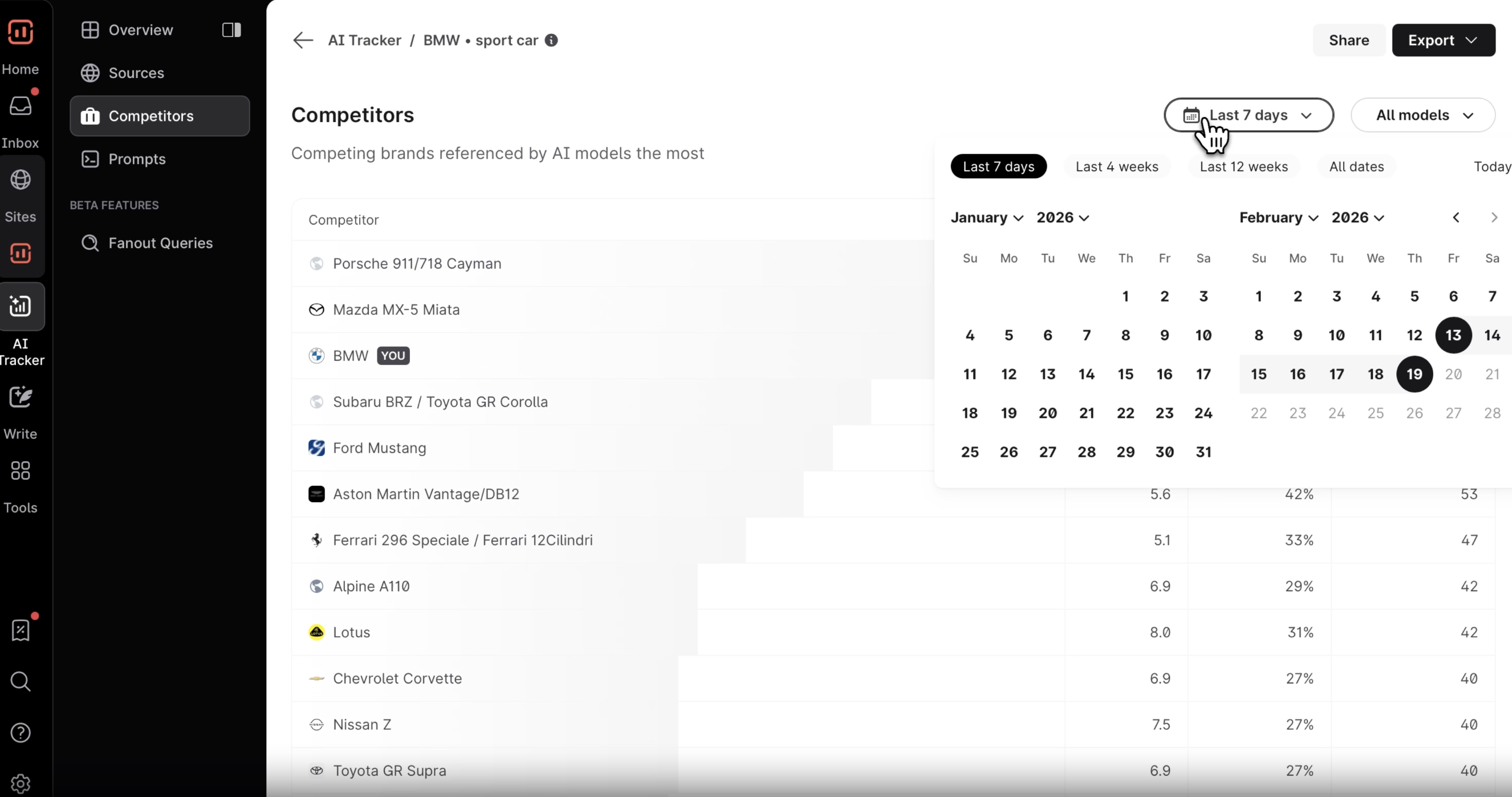
They're attempting to be pointed out, summarized, or advised by AI systems, and those systems follow different guidelines. Clear page structure, genuine subject competence, strong entity signals, and constant formatting throughout blog sites, docs, and landing pages matter more here, especially when designs scan content quickly. Modern seo saas software shows this shift.
Others assist LLMs check out content much better using schema, FAQs, and brief summaries that designs often pull from. According to Search Influence, to keep up, which explains why the pressure feels high right now. A great deal of growing SaaS teams wind up blending tools, and that often works much better than requiring whatever into one system.