API-Driven SEO Orchestration for SaaS Platforms
Gradually most systems accumulate technical debt, and the costs gets here as slower releases, higher upkeep costs, and more bugs reaching production. Structural Issues Duplicate code, oversized classes and approaches, high cyclomatic complexity, and poor separation of issues. Dead Weight Unused code, orphaned variables, and dependencies that deliver with every build however serve no purpose.
Architectural Weakness Fragile patterns that block scaling and make every brand-new function more pricey than the last one. Catching these early decreases long-term upkeep cost, raises designer efficiency, and reduces the odds of a failure at the worst possible minute.
SEO NEO tutorialMaterial has to be structured clearly enough for search engines, response engines, and AI assistants to interpret it correctly. Structure Signals Page titles and meta descriptions, heading hierarchy, internal connecting, and schema markup chances you are not yet utilizing. Gain access to Signals Indexing concerns, crawlability blocks, replicate material, page speed, Core Web Vitals, and mobile use.
Where It Settles Google results, AI Overviews, ChatGPT-style answers, and voice search. Structure and clarity now choose whether you appear at all. Our take on AEO and GEO material method goes much deeper. Structures Performance and reliability lean heavily on the hosting environment. An AI-powered audit surfaces infrastructure issues that hardly ever appear in a browser test: server reaction delays, poor caching setup, out-of-date runtime versions, weak SSL or security settings, incorrect redirects, database connection issues, resource bottlenecks, backup and recovery gaps, scalability limits, and misconfigured hosting environments.
Pulse Software Solutions examines facilities from both a technical and a business angle, so you know which improvements will move the needle and which are just nice to have. From Findings to Action An audit that ends in a long technical file nobody understands how to use has actually stopped working.
Selecting Automated Website Audit Platforms for Scale
Our AI-assisted procedure arranges findings by company impact, security danger, performance effect, development effort, expected return, execution concern, and long-lasting maintainability. Red fix now Active security direct exposure, information threat, or anything threatening uptime and earnings today. Yellow plan this quarter Genuine efficiency drag and technical financial obligation worth scheduling into an upcoming sprint cycle.
That structure lets stakeholders decide what to fix initially, what can wait, and where engineering budget need to go. The audit becomes a roadmap instead of a list of grievances. Artificial intelligence is improving how teams approach quality control, technical audits, and risk detection. By automating the slow analytical work, it frees developers, designers, and decision-makers for higher-value engineering.
Cleaner, Steadier Improved software application quality, reduced technical debt, better application dependability, and more constant documents. Better Planning Sharper sprint planning, clearer issue prioritization, and faster release cycles with lower operational danger. The Human Layer AI works as an intelligent engineering assistant. It brings speed and coverage; people bring technique, validation, and accountability.
Our audits go past surface-level checks, and we assess the technical health of corporate sites, custom-made web applications, business platforms, ecommerce shops, SaaS applications, legacy systems, cloud-hosted applications, and API-connected platforms. The goal is straightforward: identify threat, discuss concern clearly, and turn over practical suggestions that enhance security, lift efficiency, cut technical financial obligation, and prepare the platform for development.
Server Architecture Strategies for High-Traffic Portals
It is especially important when several of the following sounds familiar. Your site is slow, unstable, or unpredictable under load. The application has not had a proper technical review in years. Security is a live issue, or your website leans on many plugins and third-party tools. Your advancement group is battling with technical debt on every release.
A proactive audit is generally more affordable than the event it prevents. Companies that run one frequently report more powerful security posture, faster sites, better search and AI exposure, lower facilities expense, greater code quality, improved scalability, and less overall danger. Common Questions 1 What is an AI-powered website audit? A technical evaluation that utilizes artificial intelligence to examine site performance, security, code quality, facilities, SEO, scalability, and maintainability.
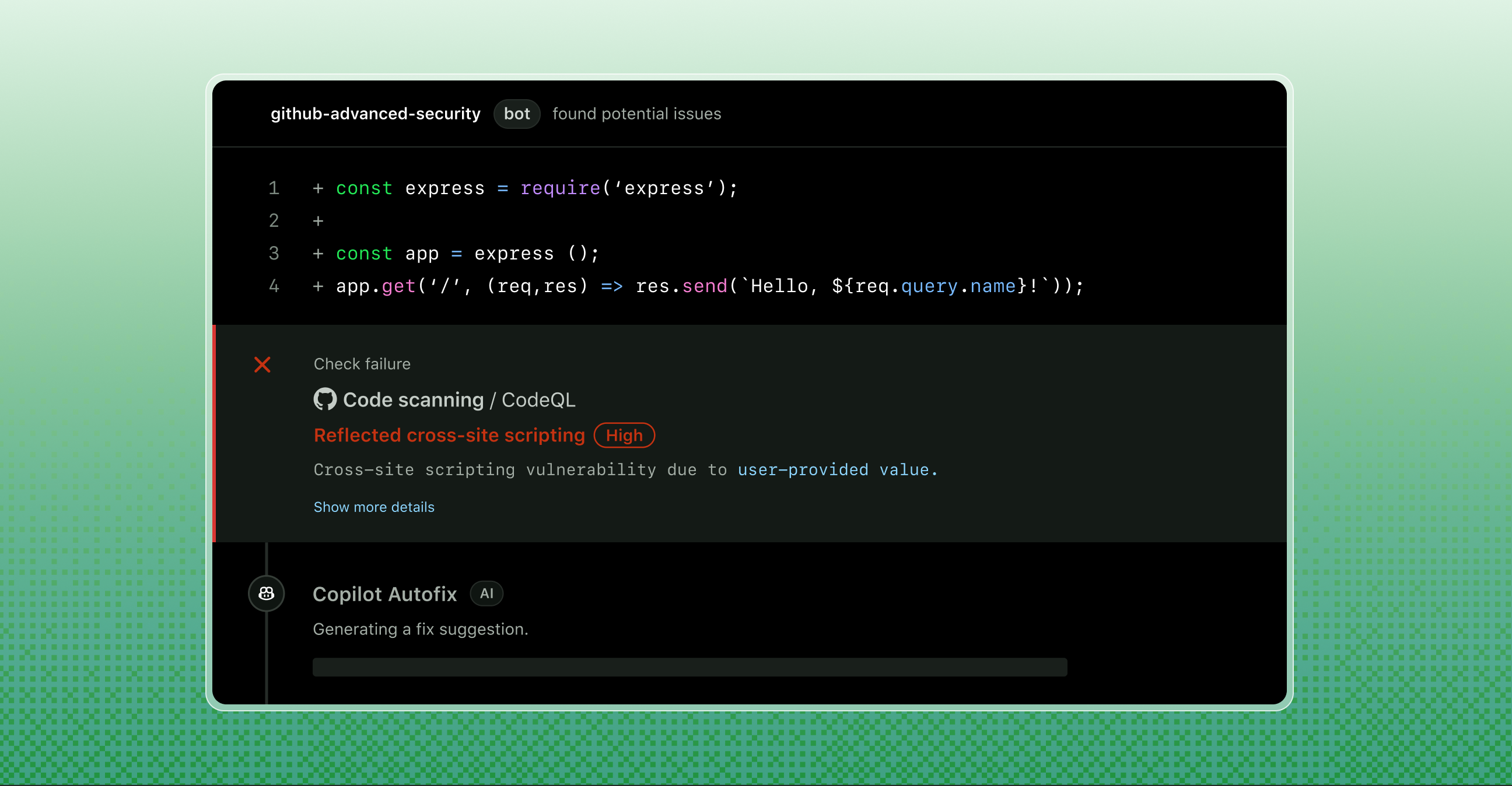
2 How is it different from a standard audit? Conventional audits tend to cover speed, SEO, and design. An AI-powered audit reaches into source code, vulnerabilities, reliances, facilities, database habits, and application architecture. 3 Can AI spot site security vulnerabilities? It can help recognize typical dangers: SQL injection, XSS, CSRF, hardcoded qualifications, insecure setups, weak authentication, missing input validation, and susceptible dependencies.